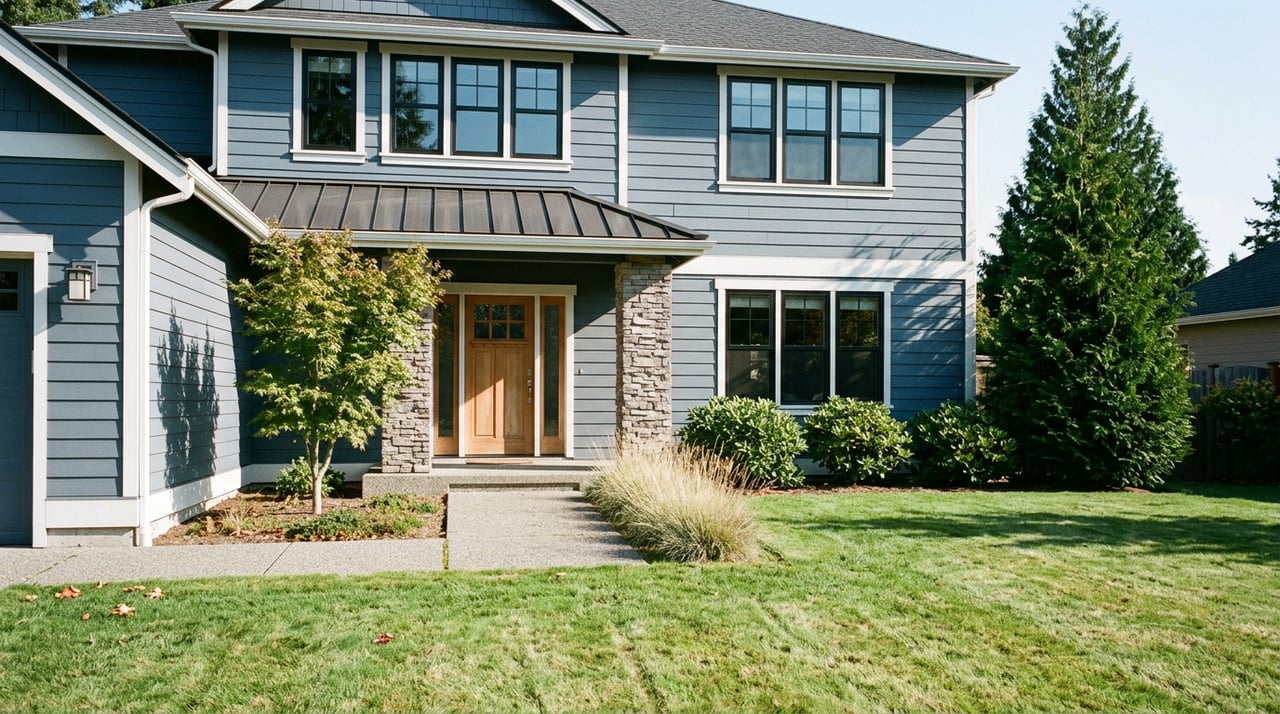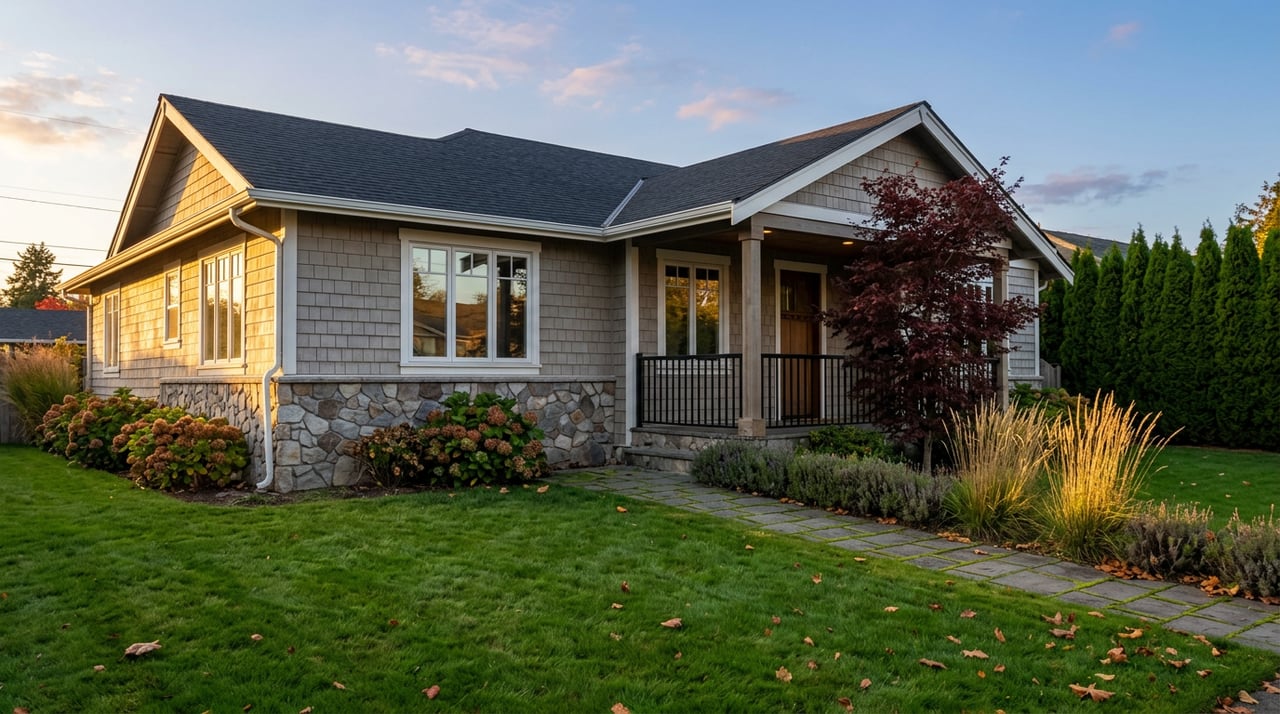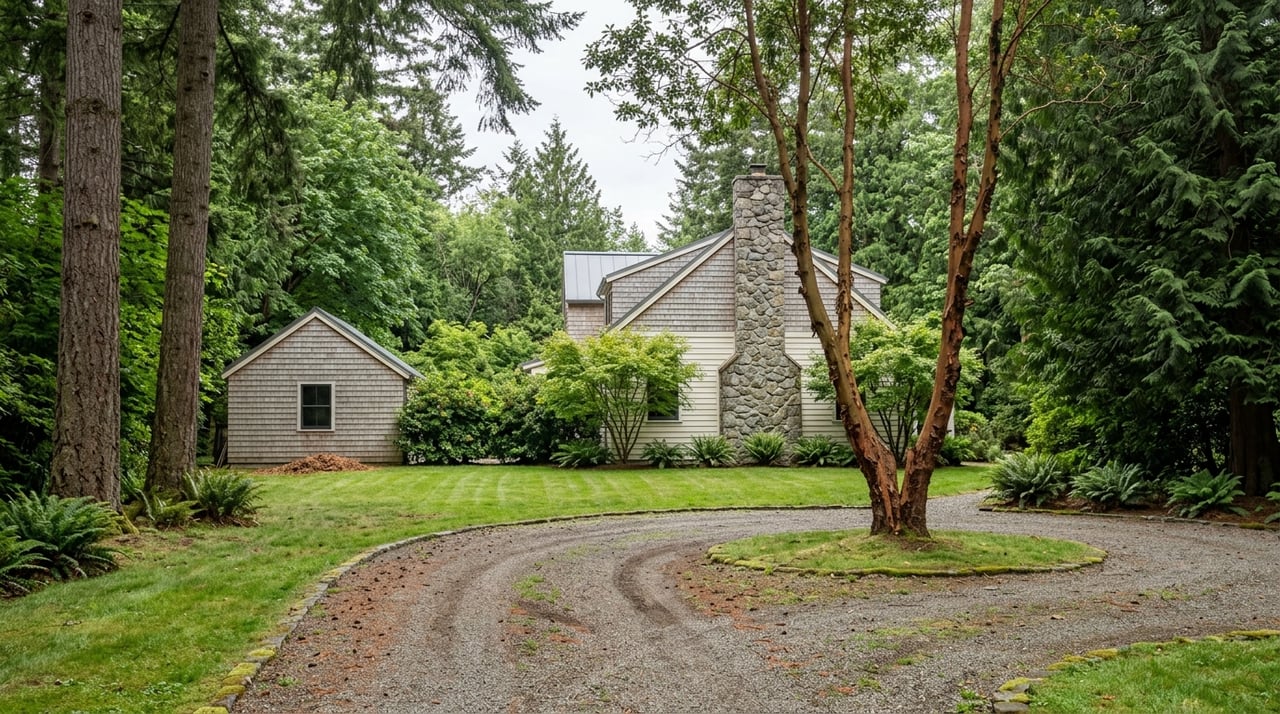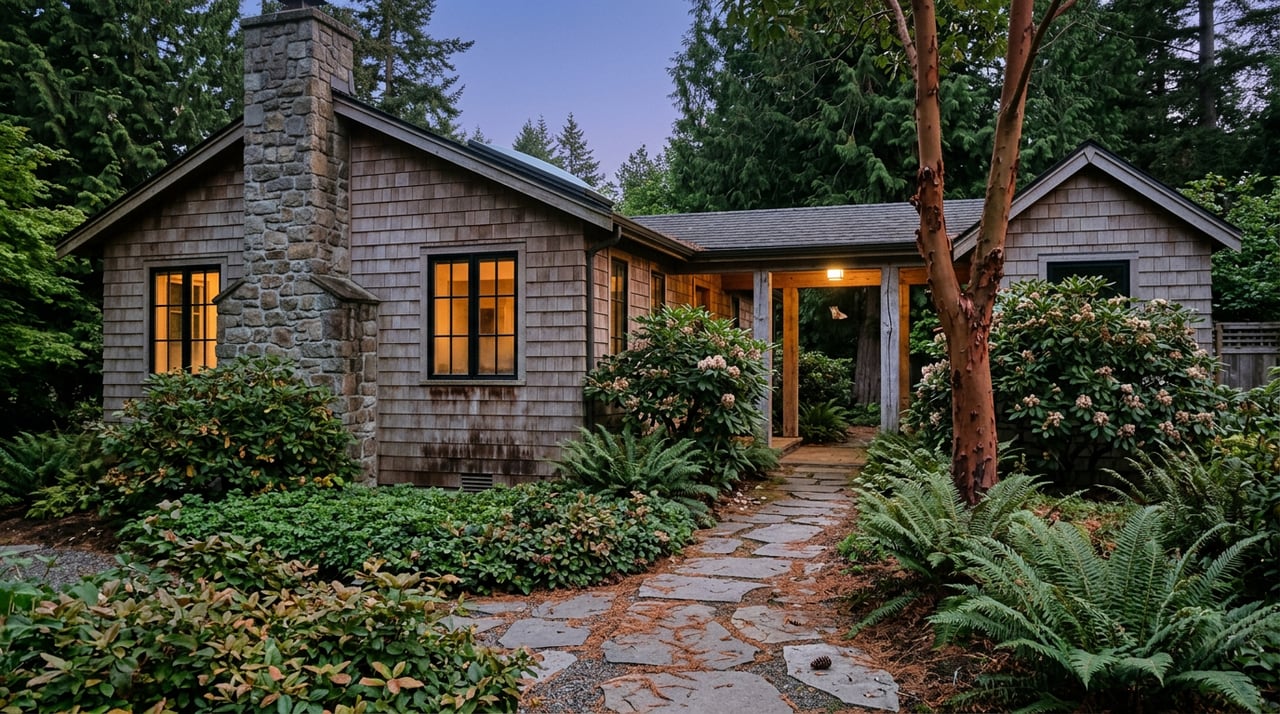
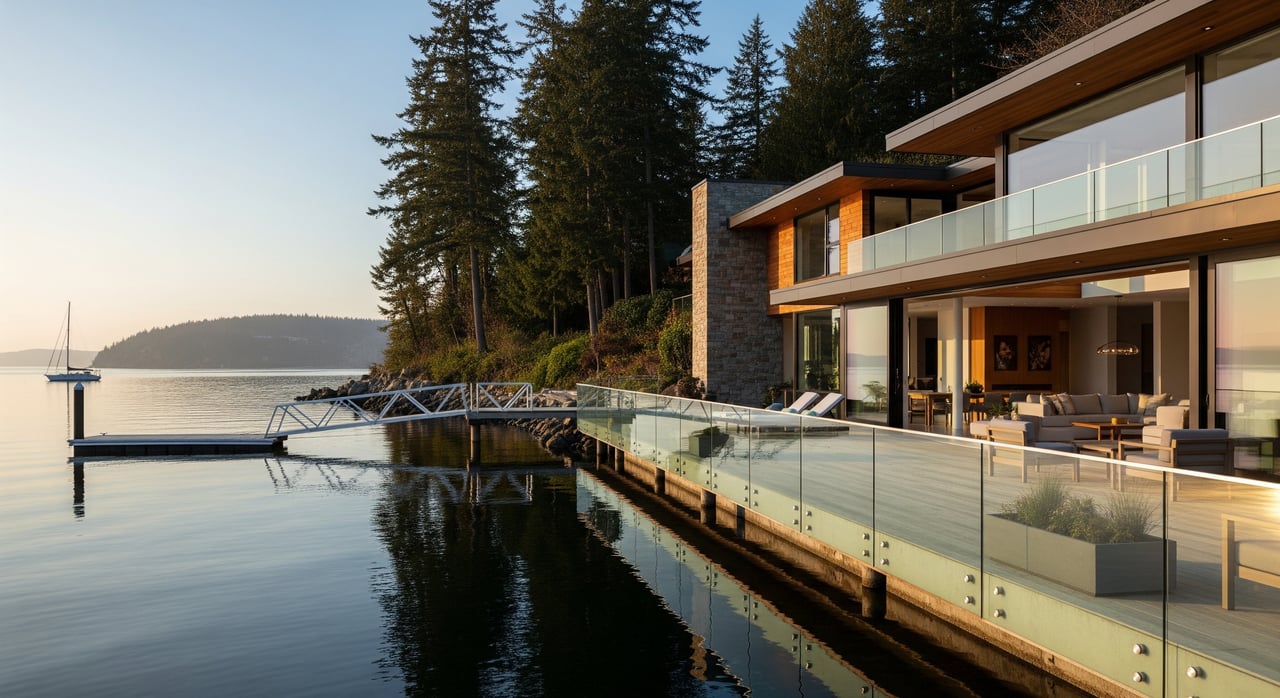
Thinking about selling your Gig Harbor waterfront home but not sure where to start? You are not alone. Preparing a shoreline property is different from a typical listing, with docks, permits, erosion risks, and strict rules to navigate. In this guide, you will get a clear plan tailored to Gig Harbor and Pierce County so you can reduce surprises, win buyer confidence, and sell on your timeline. Let’s dive in.
What today’s buyers expect
Upscale waterfront buyers in Gig Harbor, Tacoma-Lakewood, and the wider Pierce County market are selective. They pay premiums for usable shoreline, views, and documented rights. They also want low risk and ease of ownership.
- Clear moorage and shoreline rights with up-to-date permits or proof of legal nonconforming status for docks and bulkheads.
- Evidence of maintenance for docks, pilings, lifts, roofing, windows, and septic or well systems if applicable.
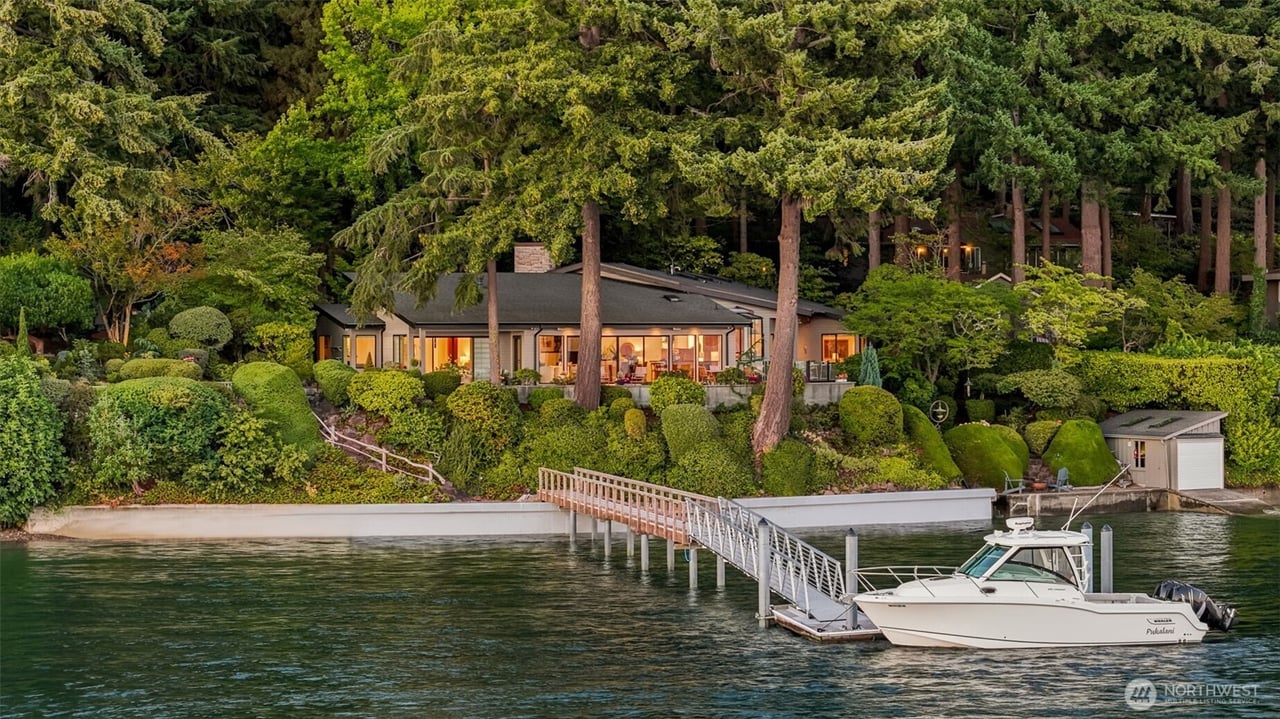
- Professional photos and drone video that show the view, tidal exposure, and safe access.
- Landscaping that opens view lines while staying compliant with shoreline buffers and setbacks.
- A disclosure-ready packet with recent inspections, survey, shoreline permits, and records of major repairs.
Well-prepared listings with strong media and documentation often sell faster and closer to asking price than homes needing shoreline or structural remediation.
Shoreline rules to check early
Pierce County waterfront involves multiple layers of review. Starting early gives you options and helps you avoid delays.
Gig Harbor and Pierce County SMP
Review the City of Gig Harbor Shoreline Master Program or Pierce County shoreline rules, depending on your location. These set requirements for bulkheads, docks, vegetation, and setbacks. Many projects near the water need shoreline review and permits.
State and federal permits
In-water work and structures may need approvals from the Washington Department of Ecology, Washington Department of Fish and Wildlife, and the U.S. Army Corps of Engineers. Work below the Ordinary High Water Mark often has seasonal windows.
Flood zones and hazards
Check FEMA flood maps and local floodplain designations. Buyers and lenders look at insurance needs, elevation, and mitigation. If you have a bluff, a geotechnical review can help document stability and reduce risk concerns.
Pre-list documents buyers want to see
Creating a clean file up front builds trust and speeds negotiations. Aim to assemble these 60 to 90 days before market, or earlier if possible.
- Current survey showing lot lines, OHWM if available, and any access or moorage easements.
- Title report and any recorded easements or HOA covenants.
- Building permit history for the home, docks, bulkheads, lifts, and major upgrades.
- Recent home inspection and a marine or dock inspection with photos and notes on pilings, fasteners, and lift equipment.
- Septic inspection and repair records or health department clearance, if on septic.
- Well water quality test results and maintenance history, if on a well.
- Any structural or geotechnical reports tied to bluffs or slopes.
Inspections that reduce risk
Ordering the right inspections before you list lets you repair what matters and disclose the rest with confidence.
House and systems
Hire a home inspector experienced with salt-air environments. Focus on moisture intrusion, roof age and condition, windows, siding, and HVAC systems.
Marine structures
Use a marine contractor or structural engineer to inspect docks, pilings, decking, fasteners, and lifts. Service the equipment and keep receipts to show buyers.
Bluff and soils
If you have a steep slope or signs of movement, a geotechnical engineer can assess stability and suggest mitigation. This reduces buyer risk concerns and supports appraisals.
Utilities and safety
If applicable, complete a septic inspection and any needed repairs. Test well water quality. Confirm electrical safety near docks and outdoor living areas.
Survey and boundaries
A surveyor can identify OHWM and verify boundaries and access paths. Clear survey work helps avoid disputes around docks, stairs, and shoreline use.
Fixes that move the needle
Focus your time and budget on improvements that buyers value most.
Dock and shoreline maintenance
Clean and service marine improvements. Replace corroded hardware and damaged planks. If bulkheads are aging, consult specialists about repair or soft-shore options, and document any work. Buyers value a maintenance plan and permits in order.
View-friendly, shoreline-safe landscaping
Prune to open view corridors without removing protected native vegetation. Consider native, salt-tolerant plants that help stabilize soils. Align any changes with shoreline buffers and setbacks.
Access and lighting
Make stairs and paths safe, code-compliant, and attractive. Add low-glare path and deck lighting for evening showings that highlight safety and lifestyle.
Interior staging for the view
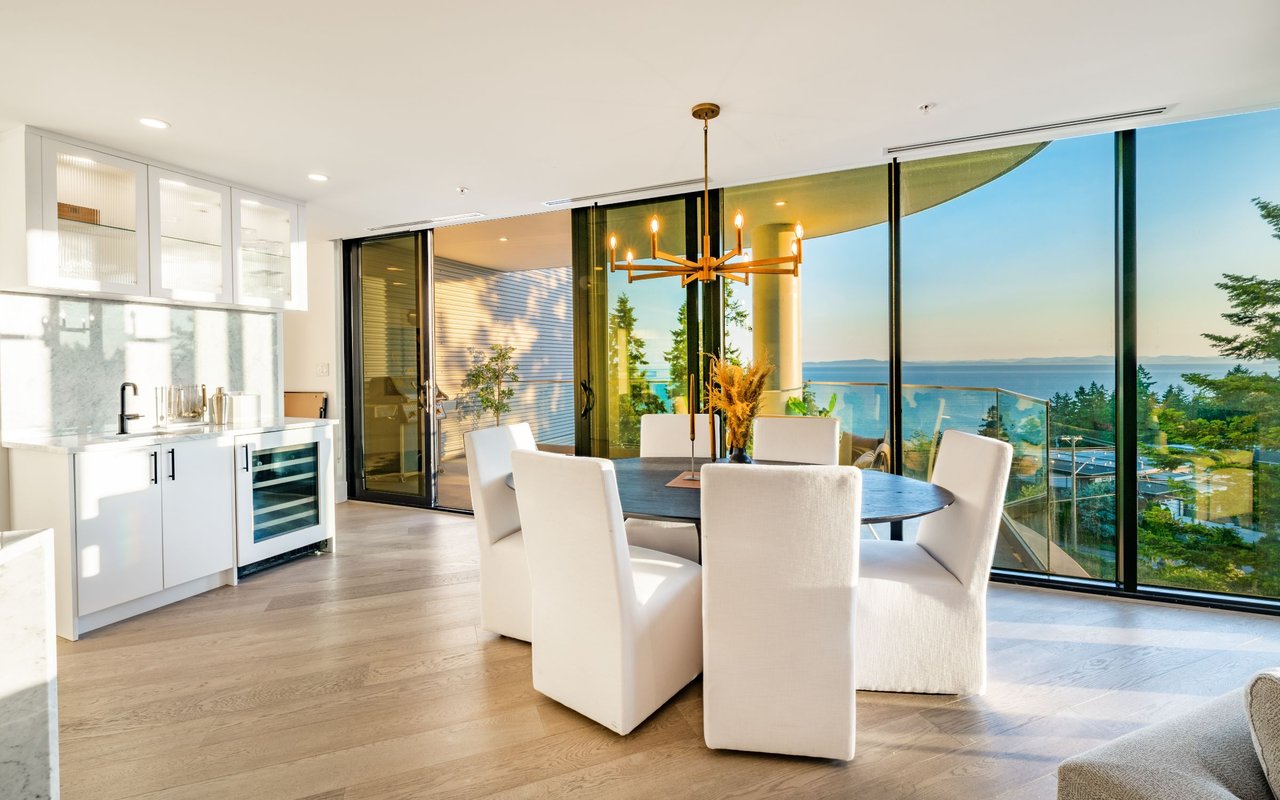
Stage around the water. Remove heavy window treatments and keep sightlines clear from living areas and the primary suite. Highlight outdoor living with defined seating, a fire feature, or a covered nook that shows year-round use.
Listing media that sells the shoreline
Great media is essential in a market that attracts out-of-area buyers.
- Professional photography and drone video showing the property at different tides if access or moorage depends on water levels.
- Detail shots of docks, lifts, piling condition, stairs, and any sheltered basins.
- A concise digital packet with permits, inspections, and maintenance receipts that agents can share.
A 6-18 month prep timeline
If you have a long runway, use it to tackle permits and structural projects early.
Months 12-18
- Order a survey and, if needed, a geotechnical evaluation for bluffs or known erosion.
- Start any major shoreline projects, such as bulkhead repair or dock work, since permits and in-water windows can take months.
- Consult permit specialists and submit shoreline applications if required.
Months 6-12
- Complete structural repairs flagged by inspections, including marine work and roof or envelope updates.
- Close out permits when possible and keep documentation organized.
- Plan or complete soft-shore and native planting projects when feasible.
Months 1-3
- Tackle cosmetic updates, paint, minor repairs, and deep cleaning.
- Refresh landscaping with careful pruning and path touch-ups.
- Schedule photography and drone shoots for favorable tides and weather.
- Assemble your disclosure packet and maintenance binder.
Weeks before market
- Finalize staging and complete a pre-showing safety check of stairs, rails, and dock equipment.
- Confirm insurance details and flood information are available for buyers and lenders.
Common pitfalls to avoid
Protect your price and timeline by getting ahead of these issues.
- Unpermitted docks or bulkheads discovered during escrow.
- Active bluff erosion or undermining near structures.
- Corroded dock hardware or failing pilings.
- Vegetation removal within regulated buffers without permits.
- Boundary or access disputes tied to OHWM or easements.
Insurance, financing, and appraisals
Lenders and appraisers are placing more weight on shoreline condition and documentation. Be ready to show your homework.
- Flood zone status can affect insurance cost and availability. Buyers will ask.
- Appraisals for waterfront often consider the presence and condition of docks, lifts, and bulkheads. Clear permits and maintenance records support value.
- Explain current insurance coverage and any special endorsements that relate to marine exposure, if applicable.
Build the right local team
The best results come from an experienced, local group that knows the Gig Harbor and Pierce County shoreline.
- Real estate agent with deep waterfront experience.
- Marine contractor or structural engineer for docks and bulkheads.
- Shoreline-savvy landscape designer with native plant expertise.
- Geotechnical engineer for bluffs and steep slopes.
- Permit expediter or land-use attorney for shoreline processes.
- Certified home inspector familiar with waterfront systems.
- Surveyor who can identify OHWM and easements.
When you are ready, we can coordinate staging, inspections, repairs, permitting support, and premium marketing so your home presents at its best. If you want a tailored plan for your shoreline, connect with the local team at Infinity Real Estate.
FAQs
How long do shoreline permits take in Gig Harbor and Pierce County?
- Timelines vary, and state and federal reviews plus in-water work windows can extend the process over several months, so start early.
Are older docks a deal-breaker for Gig Harbor buyers?
- Not always; a professional marine inspection with documented condition and service can ease concerns, but unpermitted work can reduce buyer confidence.
What documents should I prepare for a Pierce County waterfront sale?
- Survey, title and easements, permit history, recent home and marine inspections, septic and well records if applicable, and any geotechnical reports.
Should I repair or remove a bulkhead before listing?
- Safety and stability come first; agencies often prefer soft-shore solutions, and any repair or removal will likely require permits and expert guidance.
Do buyers ask about sea-level rise on Puget Sound?
- Increasingly yes; be ready to share flood maps, local hazard planning, and any mitigation steps or to note the absence of immediate regulatory constraints.
Why is the OHWM important for Tacoma-Lakewood shoreline properties?
- The Ordinary High Water Mark helps define where certain permits apply, influences setbacks, and can affect access rights and disclosure accuracy.