
December 18, 2025
Thinking about buying a waterfront home on Fox Island and wondering whether a bulkhead or a natural shoreline is the smarter choice? You are not alone. The shoreline decision affects your property’s protection, beach feel, permits, upkeep, and even resale. In this guide, you will learn how each option performs in Puget Sound, what Pierce County expects, and the practical steps to evaluate a Fox Island property with confidence. Let’s dive in.
A bulkhead is a vertical or near-vertical wall of concrete, timber, steel, or rock that holds the shoreline in place. Owners often choose bulkheads to protect near-water yards, structures, septic systems, and landscaping. You also see them where owners prefer a crisp edge and direct access to small boats. Many Fox Island properties were armored years ago, so you will encounter existing bulkheads during your search.
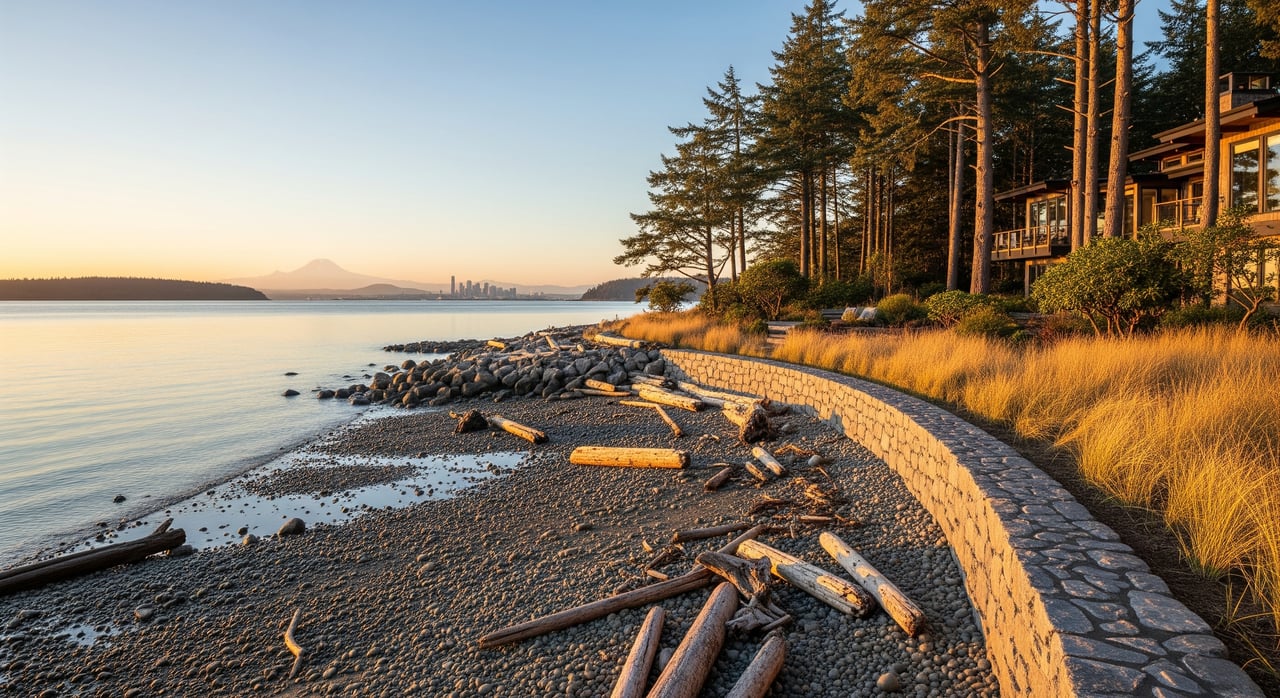
A natural shoreline is a gently sloped beach with native sand or gravel, vegetation at the upper beach, and scattered logs or large woody debris. Natural shores spread out wave energy, allow sediment to move, and support nearshore habitat. Many buyers love the classic beach look, wildlife viewing, and seasonal changes that come with a natural shoreline.
Living shorelines use softer, nature-based methods like beach nourishment, anchored logs, plantings, and strategic rock toes to manage erosion. When designed for site conditions, they can reduce erosion while keeping a beach-like character and habitat value. For an overview, see NOAA’s summary of living shorelines resources and Washington Sea Grant’s Shore Friendly guidance.
Bulkheads reflect wave energy instead of absorbing it. That energy often scours the base of the wall, lowers the beach, and can narrow or eliminate intertidal area over time. Bulkheads can also interrupt the natural movement of sediment, which may increase erosion down-drift. They help with localized erosion but do not stop broader coastal processes that shape Puget Sound shorelines.
Natural shores and well-designed living shorelines spread out wave energy across a broader, gently sloped foreshore. Vegetation and logs trap and stabilize sediment, and the beach can adjust to seasonal changes. Because these approaches maintain sediment exchange and biological processes, they can adapt better to gradual sea-level rise compared with rigid walls.
A bulkhead’s lifespan depends on material, exposure, and maintenance. Repairs are common at the toe and behind the wall as water and waves find weak points. Replacement can be costly and typically triggers permits. Rising sea levels increase the likelihood of more frequent repairs and future replacement.
Nature-based approaches usually need periodic vegetation care and occasional beach nourishment after big storms. You may have less heavy structural work, but you still need to monitor the shoreline and maintain plantings. Living shorelines that are matched to the site often show strong performance in low to moderate wave energy areas, which are common in many Fox Island inlets.
Puget Sound’s nearshore is essential for forage fish like surf smelt and sand lance, and for juvenile salmon that migrate along the shoreline. Armoring can reduce or remove spawning and rearing areas, and the loss of vegetation and large woody debris lowers habitat complexity. To understand why certain beaches have additional protections or timing limits, review WDFW’s overview of forage fish habitat. Keeping natural processes where possible is a regional priority, which is one reason agencies look carefully at new or replacement armoring.
Fox Island falls under Washington’s Shoreline Management Act and Pierce County’s Shoreline Master Program. If you plan to repair, replace, remove, or add shoreline stabilization, expect permits and environmental review scaled to your project. Pierce County typically requires you to show need, consider alternatives, and follow habitat protections that may include timing windows for fish.
Agencies increasingly prefer designs that maintain or restore natural functions. Removal or modification of existing bulkheads is also possible, but it typically includes restoration plans and coordination with county and state staff.
Upfront costs vary based on length, materials, site access, and exposure. Replacement costs and permit fees can be significant for bulkheads, and mitigation or monitoring may be required. Living shorelines can require less heavy reconstruction over time, but they still need periodic nourishment and vegetation work. Get site-specific estimates from qualified local contractors and a shoreline professional before you budget.
Bulkheads offer a clear edge, simple lawn-to-water transitions, and easier small-boat tie ups at some tide levels. Natural and living shorelines give you a beach, a softer aesthetic, and wildlife activity, but they can limit direct access at higher tides if the beach is narrow. Think about your day-to-day goals, whether that is launching kayaks, lounging on the beach, or protecting a near-edge patio.
Insurance and lenders will still evaluate flood and erosion risk regardless of a bulkhead. Walls do not protect against overtopping or storm surge. Some buyers value the perceived protection of a bulkhead, while others prioritize natural shorelines for lifestyle and ecological reasons. Marketability on Fox Island depends on your buyer pool and the norms along your specific shoreline reach.
Use this checklist to size up any Fox Island waterfront property before you commit:
Start with your site’s natural setting: exposure to waves and boat wakes, slope, and sediment type. Weigh the assets you need to protect, like a septic system or patio, against your goals for beach use and look. Consider your timeline too. If you plan to own long term, living shorelines or hybrid designs can offer resilience and habitat benefits where conditions allow. If an existing bulkhead is failing, explore whether a soft or hybrid approach could meet regulatory expectations and your protection needs before defaulting to a like-for-like wall.
Every Fox Island shoreline is different. The right path depends on your property’s exposure, your tolerance for maintenance, and your long-term plans. Before you make an offer, line up a site evaluation, talk to Pierce County, and map out your permit pathway. If you prefer a nature-forward beach experience, living shorelines may be feasible in many low to moderate energy coves. If your site is more exposed, hybrid designs can sometimes balance protection and function.
Ready to compare options for a specific property and plan a smooth purchase? Talk with a local advisor who understands Fox Island’s shorelines and the Pierce County process. For a personalized plan and introductions to trusted shoreline professionals and permitting contacts, connect with Infinity Real Estate. Schedule a free consultation.
Stay up to date on the latest real estate trends.

gig harbor
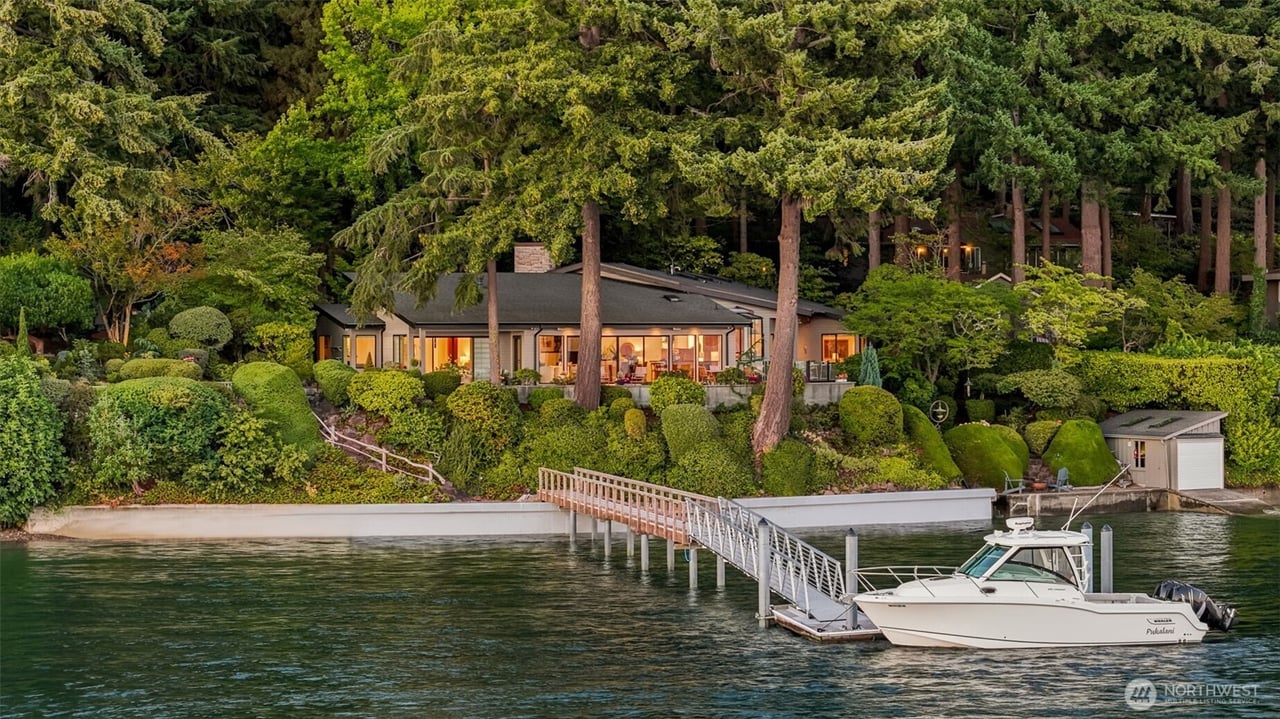
Discover 7602 Fairwind Lane NW in Gig Harbor, WA. Explore 210 FT of low-bank Hale Passage waterfront, a deep-water dock, Asian-contemporary design, and panoramic Mt. R… Read more
We pride ourselves in providing personalized solutions that bring our clients closer to their dream properties and enhance their long-term wealth. Contact us today to find out how we can be of assistance to you!
Infinity Real Estate
4221 Harborview Dr Gig Harbor, WA 98332