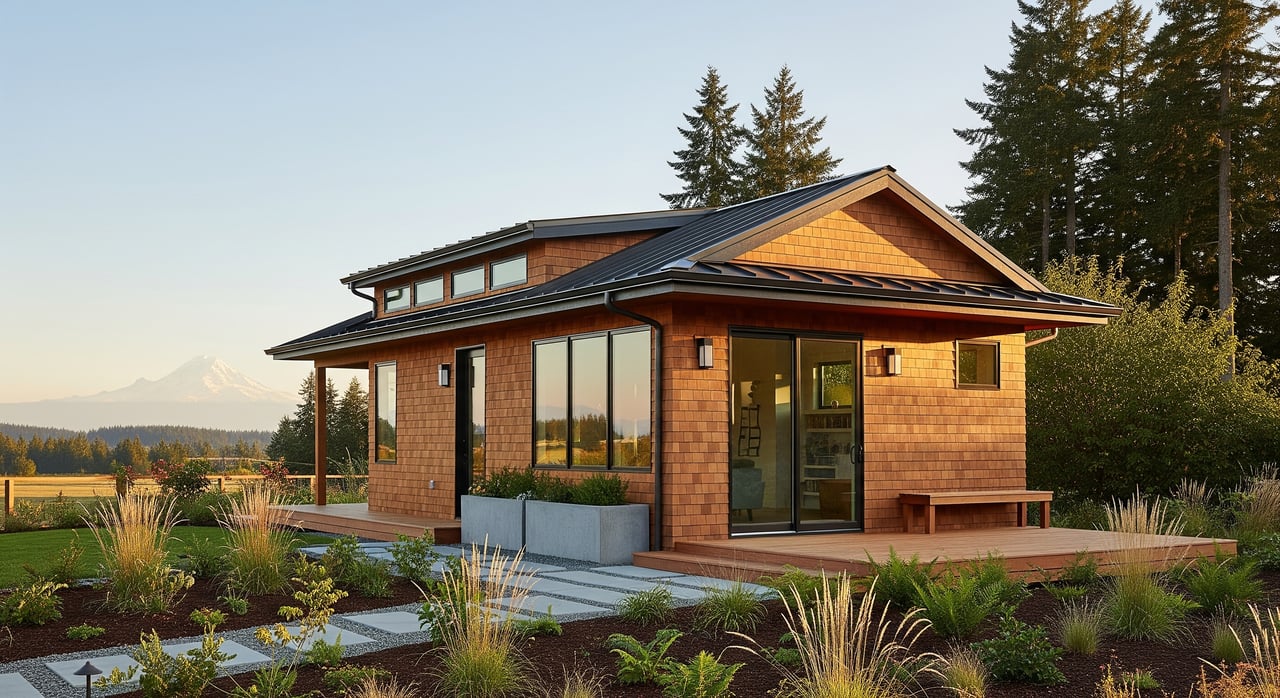
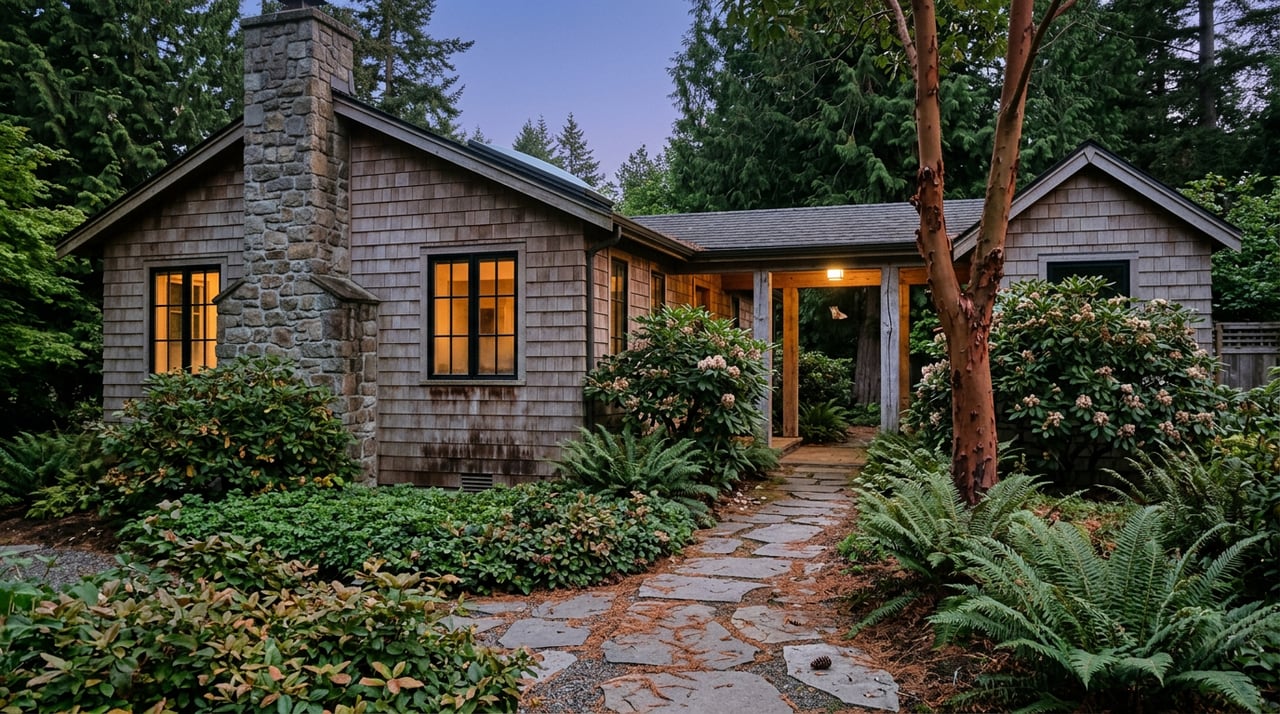
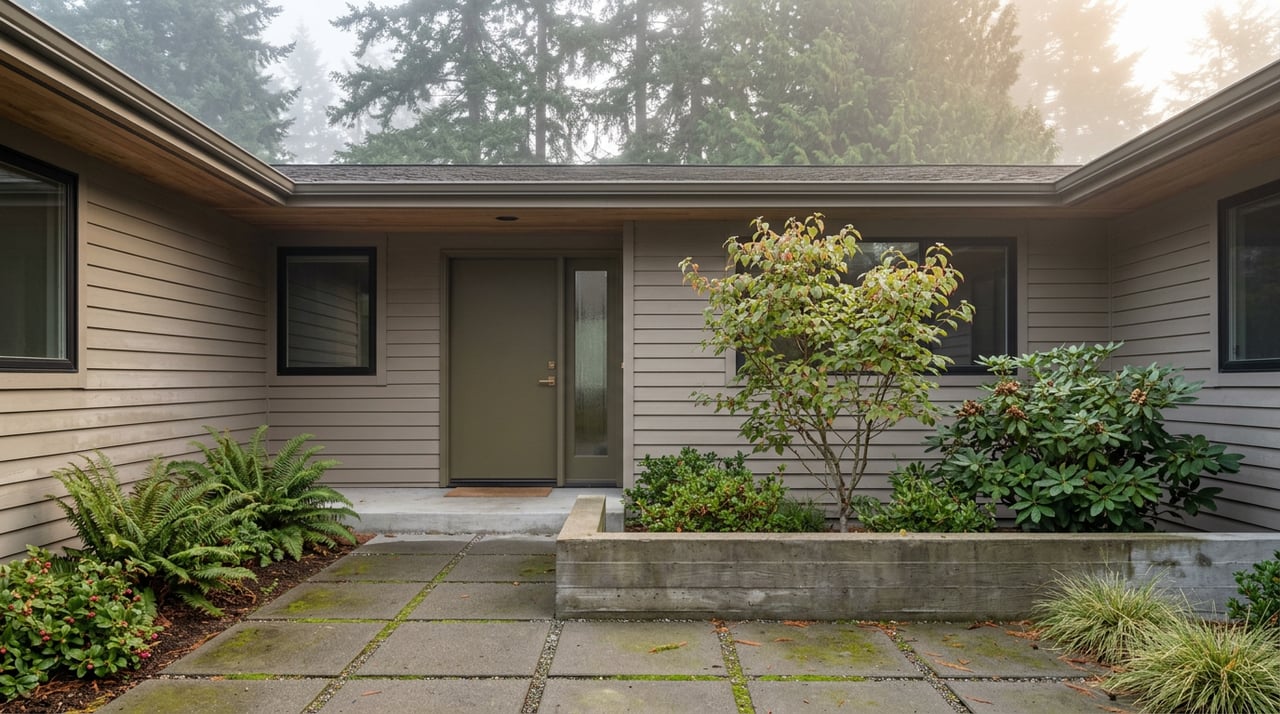
Considering an ADU to create more space or offset your mortgage? You are not alone. Many Pierce County homeowners are exploring accessory dwelling units to support multigenerational living, long-term rental income, or flexible guest space. In this guide, you will learn how ADUs work in Pierce County, what rules and costs to expect, and how to plan a project that adds real value without surprises. Let’s dive in.
ADU rules vary by location
Pierce County includes both incorporated cities and large unincorporated areas. That means ADU rules depend on where your property sits. Homes inside Tacoma, Lakewood, Puyallup, Gig Harbor, University Place, and other cities follow city code. Homes in unincorporated areas follow Pierce County Planning & Public Works requirements.
While Washington State has encouraged ADUs to expand housing choices, local details still vary. Always verify the current municipal or county code before you plan work. A quick way to start is to contact the planning department where your parcel is located. Have your parcel number ready so staff can confirm zoning, eligibility, and any site constraints.
Common topics to confirm:
- ADU types allowed: attached, detached, or garage conversions
- Maximum size and whether it is a fixed cap or percent of the main home
- Lot eligibility and any minimum lot size
- Owner occupancy rules and how they are applied
- How many ADUs are allowed per lot
- Short-term rental rules and licensing
- Impact fees and utility hookup costs
Size, setbacks, and parking basics
Most Pierce County jurisdictions allow ADUs within predictable bounds, but the numbers differ.
- Size: Expect maximums in the several hundred to about 1,200 square foot range. Some use a flat cap, while others tie size to a percent of the primary home. Ask how basements, lofts, or partial-height spaces are counted.
- Height and setbacks: Detached ADUs often have lower height limits than primary homes, commonly one to one-and-a-half stories. Rear and side setbacks may be reduced in some areas. Building above an existing garage can sometimes offer more favorable allowances.
- Lot coverage and impervious limits: Your ADU must fit under overall lot coverage and stormwater standards. Steep slopes and critical areas can add constraints.
- Parking: Many places have relaxed extra parking for ADUs, especially near transit, but others still require at least one off-street space. Confirm curb cut rules and check any HOA covenants that affect on-street parking.
Utilities, septic, and inspections
Early utility checks can save you time and money. For many projects, these are the biggest cost drivers.
- Sewer vs. septic: Connecting to sewer is usually more straightforward. If you are on a septic system, capacity is critical. Adding bedrooms can trigger a required septic upgrade if the system is undersized.
- Electrical service: Older homes may need panel or service upgrades to support an ADU. Get a licensed electrician’s opinion early.
- Code compliance: ADUs must meet building, plumbing, mechanical, electrical, and fire codes. Life-safety features like egress, smoke and carbon monoxide alarms, and proper fire separation are required.
Ask for a utility capacity check and request a preliminary estimate of system development charges or hookup fees from the permit center before finalizing your budget.
How ADUs add value
ADUs can increase a home’s functional value by creating flexible living arrangements and potential income.
- Multigenerational living: An ADU supports independence for aging parents, adult children, or a caregiver while keeping family close. Separate entrances and good sound insulation help everyone feel comfortable.
- Long-term rental: Monthly rent can offset your mortgage and operating costs. Estimate conservatively and include vacancy, maintenance, and utilities if you plan to cover them.
- Guest space or office: A well designed ADU can double as a home office or studio when not in use by guests or family.
Resale value depends on local demand, the quality of the build, and whether the unit is fully permitted. Buyers tend to value permitted, code-compliant ADUs more reliably than informal conversions.
Short-term rentals and local rules
Short-term rental rules vary by jurisdiction. Many cities regulate or restrict short-term rentals in ADUs or require licensing and tax collection. If you plan to host short stays, confirm whether it is allowed, what occupancy limits apply, and how to register before you invest in a short-term rental oriented design.
Permits, timelines, and process
Most ADU projects move through a similar path.
- Planning and zoning: Confirm use, size, setbacks, height, parking, and lot coverage. Pre-application meetings can clarify site-specific issues and reduce revisions.
- Building permits: Structural, electrical, plumbing, and mechanical permits are common. Inspections will be required at key stages.
- Environmental review: If you are in a critical area or near shorelines, additional review may apply.
Timelines vary from weeks to months based on jurisdiction and complexity. Plan for design and permit time in your overall schedule.
Cost drivers to expect
ADU budgets range widely, especially between conversions and new detached builds. Focus early on the items that move the numbers most.
- Soft costs: Architectural and engineering, permit fees, impact fees, and utility hookup charges.
- Hard costs: Site work, foundation, framing, roofing, insulation, interior finishes, and systems.
- Big swings: Septic upgrades, sewer extension or connection fees, electrical service upgrades, and added driveway or parking can be major line items.
Conversions of existing space, like a basement or over-garage area, tend to cost less and finish faster than a new detached unit. New detached ADUs offer more privacy and independence but usually carry higher site and foundation costs.
Financing, taxes, and insurance
A clear plan for funding and ongoing costs will help you assess return on investment.
- Financing: Common options include home equity lines, cash-out refinances, and renovation loans. Some loan programs allow a portion of projected rent to count toward qualifying. Ask lenders how they treat ADU income and timing of disbursements for construction.
- Property taxes: New construction increases assessed value. The timing and amount vary by jurisdiction, but most owners should plan for higher assessments once the ADU is complete.
- Business and lodging taxes: If you plan short-term rentals, budget for licensing and tax collection where applicable.
- Insurance: Notify your insurer before creating or renting an ADU. You may need an updated homeowner policy or a landlord policy. Failing to disclose rental use can jeopardize coverage.
Smart design for flexibility and comfort
Design choices affect both day-to-day livability and long-term resale.
- Universal design: No-step entries, wider doorways, lever handles, and single-level layouts help older adults and make the space more marketable.
- Privacy: Provide a separate entrance where possible and add sound insulation in shared walls or floors. Thoughtful window placement and simple landscaping can protect privacy for both units.
- Kitchens and laundry: Right-size the kitchen, add durable surfaces, and plan for a compact laundry if space allows.
- Utilities: Independent HVAC and the option for separate metering increase rental independence, but weigh the added cost.
A clean, durable finish package that looks cohesive with the main home is often the sweet spot for value.
Quick planning checklist
Use this checklist to structure your first steps and avoid costly rework.
- Verify whether your property is inside a city or in unincorporated Pierce County.
- Confirm zoning and whether ADUs are allowed on your parcel.
- Review current ADU code and download permit checklists for your jurisdiction.
- Schedule a pre-application meeting. Bring your parcel number, a rough site plan, and your ADU concept.
- Check sewer capacity or septic sizing with the appropriate local office. Plan for upgrades if needed.
- Request a rough permit fee and system development charge estimate from the permit center.
- Get a ballpark construction estimate from a licensed contractor.
- Ask a local property manager for a market rent range based on comparable ADUs.
- Review HOA CC&Rs for any private restrictions.
- Call the assessor and your insurer to understand tax and insurance impacts.
Example: conversion vs. detached build
Here is a simple way to frame two common paths before you request bids.
To compare options, list likely rent for each scenario, subtract estimated monthly operating costs, and weigh that net against your total project cost and financing. A conservative worksheet keeps assumptions realistic and helps you spot the best value.
Important reminders before you build
- Rules differ by jurisdiction and can change. Always verify current code and permit steps for your parcel.
- Short-term rental use is often regulated. Confirm licensing and taxes before planning an STR model.
- Unpermitted work reduces value and can trigger costly retrofits. Build it right the first time.
Ready to explore how an ADU could support your goals in Pierce County or Gig Harbor? If you want help evaluating rental potential, resale impact, or how an ADU might affect your selling or buying plans, connect with our local team. Schedule a free consultation with Infinity Real Estate.
FAQs
What is an ADU in Pierce County?
- An accessory dwelling unit is a smaller, independent home on the same lot as a primary residence, often used for family, long-term rental, or guest space. Local rules define what types are allowed.
Are ADU rules the same across Pierce County cities?
- No. Tacoma, Lakewood, Puyallup, Gig Harbor, University Place, and unincorporated areas each set their own ADU standards. Always check the code for the jurisdiction where your parcel is located.
How big can my ADU be in Pierce County?
- Many jurisdictions cap ADUs in the several hundred to about 1,200 square foot range, sometimes as a percent of the main home. Confirm the exact limit and how floor area is measured.
Do I need extra parking for an ADU?
- It depends. Some places have relaxed additional parking, especially near transit, while others require at least one off-street space. Verify local requirements and any HOA rules.
Can I rent an ADU short term in Pierce County?
- Many jurisdictions regulate or restrict short-term rentals in ADUs and may require licensing and tax collection. Confirm local allowances and registration steps before you plan an STR.
Will an ADU raise my property taxes?
- Most likely yes. New construction typically increases assessed value. Contact the local assessor to understand timing and how the ADU could affect your taxes.
What permits do I need to build an ADU?
- Expect planning and zoning review plus building permits for structural, electrical, plumbing, and mechanical work. Inspections are required. Critical areas may need additional review.
Is a garage conversion cheaper than a new detached ADU?
- Often yes. Conversions usually cost less and finish faster because they use existing space and utilities, while detached ADUs need foundations and more site work.