
March 24, 2026
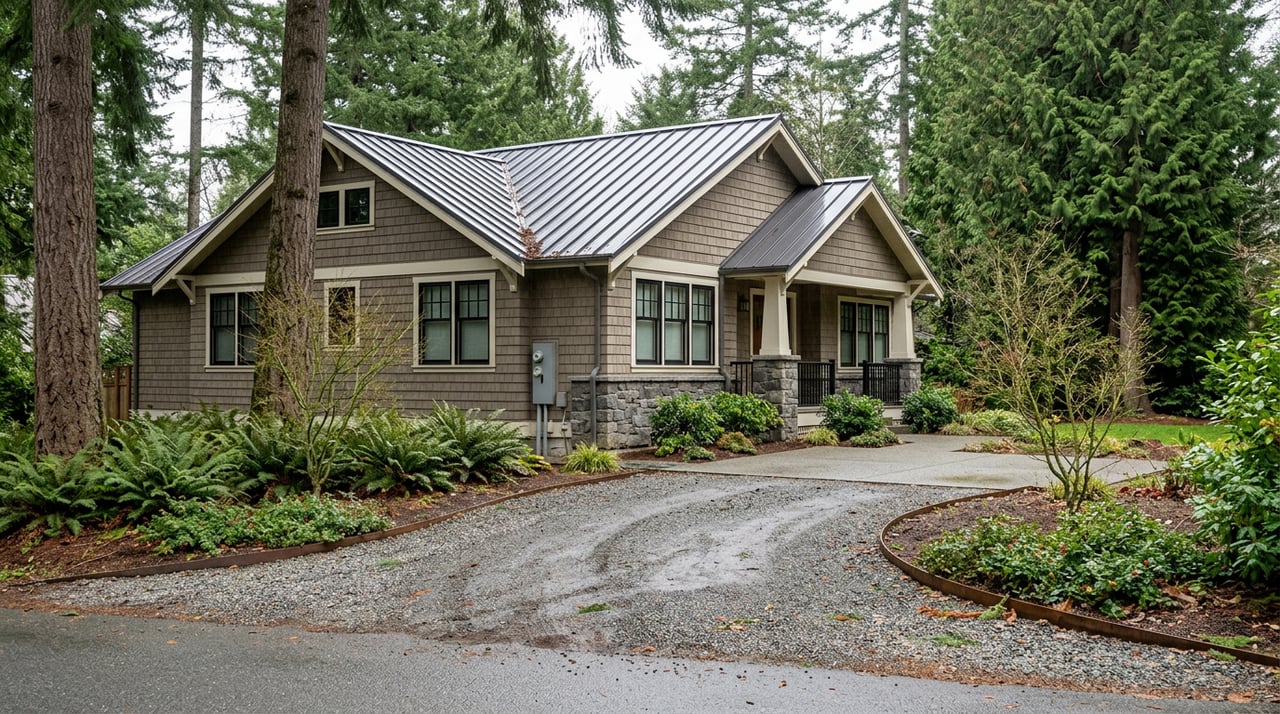
Thinking about buying land on the Key Peninsula for a custom home, shop, or retreat? Raw acreage here can be a smart move, but the path to “buildable” is not always simple. Between septic rules, private wells, shoreline protections, and access requirements, small details can change your budget and timeline fast.
This guide gives you a clear plan. You will learn what to check for utilities, where shoreline and critical area rules apply, how to confirm legal access, and the step-by-step due diligence that helps you avoid surprises. Let’s dive in.
The Key Peninsula is rural and in unincorporated Pierce County. Lots around Lakebay and neighborhoods like Peninsula Meadows often use private wells and on-site septic. Shoreline and critical-area rules are common and can shape where you can build on a parcel.
Most rural lots here rely on on-site septic systems. Before you buy, ask for septic records, operation-and-maintenance certificates, and pump or repair history from the Tacoma–Pierce County Health Department. Their guidance explains inspection requirements and programs that can support inspection and maintenance in some areas. Review the Health Department’s septic FAQ to understand expectations and records you should see. You can find it in the department’s septic O&M FAQ.
If the property sits in shoreline jurisdiction, even routine septic work may require shoreline review. Pierce County’s one-page guide outlines how shoreline rules apply to septic projects. Read the county’s Public Shoreline Septic Guide before planning new or replacement systems.
Private wells are common and often qualify as permit-exempt domestic wells under state rules. You still need a properly constructed well, a well report, and sensible water-quality testing. The Washington Department of Ecology explains how permit-exempt wells work and what owners should know. Review Ecology’s domestic well guidance and plan to test for bacteria and nitrates before you waive contingencies.
Peninsula Light Company serves most of the peninsula, while natural gas service is limited. Many properties rely on electric heat, heat pumps, or propane. The City of Gig Harbor lists local utility contacts, which is a useful starting point to confirm service and any line-extension costs. Check the local utility provider list as part of feasibility.
Broadband options vary by pocket. Pierce County has ongoing broadband initiatives, and availability can make a difference for remote work. Review county updates and confirm service at the parcel address. See the county’s broadband initiative update for context, then verify providers directly.
Shoreline rules add buffers, setbacks, and activity limits near Puget Sound and other covered waterbodies. They can affect where you place a home, drainfield, stairs, or docks. Pierce County’s Shoreline Master Program explains these rules and how permits work. Start with the county’s Shoreline Master Program overview, then confirm shoreline status for your parcel using the county’s property tools.
Septic projects in shoreline areas often require a shoreline exemption or permit. The county’s step-by-step shoreline septic guidance is here: Public Shoreline Septic Guide.
Pierce County’s Critical Areas Ordinance covers wetlands, flood hazard areas, fish and wildlife habitat, aquifer recharge areas, and geologically hazardous areas like steep or landslide-prone slopes. If county maps flag these on or near your parcel, expect field verification, possible buffers, and technical reports. This can change your buildable footprint and add mitigation steps. Read the county’s code reference for details: Title 18E Critical Areas.
Many acreage parcels use private roads and shared driveways. Before you close, confirm there is recorded legal access and a road maintenance agreement that explains who pays for upkeep. Your title search should include easements, covenants, and any conditions of approval. The county’s general FAQs are a helpful starting point for how records and processes work: Pierce County FAQs.
If your driveway connects to a county road, you likely need a driveway-approach permit and county-engineer approval for sight distance, width, grade, and surfacing. Factor in the time and cost to build or upgrade the approach. Learn why the county regulates connections and be ready to discuss your approach early with staff: Pierce County FAQ hub.
Do not assume a lot is buildable until a septic site evaluation confirms it. A certified on-site sewage professional can dig test pits, log soils, and assess drainfield locations. If percolation is poor or soils are shallow, you might need an alternative treatment system or a larger drainfield area. Review the Health Department’s septic O&M FAQ to understand system types, inspections, and records.
Shoreline buffers, steep slopes, and high groundwater can also push your home site to a smaller footprint. On some sites, the county may require a geotechnical report for slope stability and foundation guidance, or a wetland delineation to set buffers. Budget both time and money for these studies when maps flag potential constraints. See Title 18E Critical Areas for why these reports are needed.
Use this sequence to confirm buildability before you remove contingencies.
Peninsula Meadows in the Lakebay area represents the typical acreage experience on the Key Peninsula. Parcels are measured in acres, rely on private wells and on-site septic, and often sit near natural features where critical-area and shoreline rules can apply. Treat this as a model for what to expect: confirm water, septic, access, and environmental constraints early, then design your home around the verified buildable envelope.
You can buy land here with confidence when you verify utilities, access, and environmental constraints up front. If you want a local partner to help you structure contingencies, coordinate the right experts, and navigate county steps, we are here to help. Start the conversation with Infinity Real Estate and schedule a free consultation.
Stay up to date on the latest real estate trends.
We pride ourselves in providing personalized solutions that bring our clients closer to their dream properties and enhance their long-term wealth. Contact us today to find out how we can be of assistance to you!
Infinity Real Estate
4221 Harborview Dr Gig Harbor, WA 98332