
May 14, 2026
Choosing a Gig Harbor neighborhood is not just about the home itself. It is about how your mornings flow, where you run errands, how often you want to drive, and what kind of setting feels right when you pull into the driveway. If you are comparing areas in Gig Harbor, this guide will help you understand how the city’s main neighborhoods differ for everyday living so you can narrow your shortlist with more confidence. Let’s dive in.
Gig Harbor may feel compact, but your day-to-day experience can vary a lot from one area to another. The harbor, SR-16, the Tacoma Narrows Bridge, and a few major commercial and residential hubs shape how people move through the city.
The city describes downtown and The Harbor as a historic waterfront district with retail, restaurants, residential uses, boating activity, fishing, and public access. At the same time, newer growth areas are adding a wider mix of housing types, including townhomes, row housing, ADUs, and multifamily housing in selected locations. That means buyers today can compare not just home styles, but also different rhythms of living.
If you want the most walkable part of Gig Harbor, downtown stands out. City materials describe it as quaint, charming, and historic, and it offers a strong mix of shoreline access, small shops, dining, and public gathering spaces.
This is the part of town where everyday outings can feel more scenic. Public access points and parks such as Skansie Brothers Park, Ancich Waterfront Park, Old Ferry Landing, the Skansie Netshed, and Jerisich Dock give the area a distinctly waterfront feel that you notice in daily life, not just on weekends.
Living here often means shorter walks to restaurants, coffee spots, waterfront views, and small local businesses. The Chamber’s neighborhood guide also notes charming older homes and boutique-style shopping, which adds to the village feel many buyers are looking for.
The tradeoff is that downtown is less centered on big-box convenience. If your routine depends on quick one-stop errands or frequent larger retail trips, another part of Gig Harbor may fit better.
If your priority is easy errands, newer development patterns, and access to major daily-use destinations, this area is often the practical favorite. Uptown includes a mix of local and national retailers, restaurants, events, and public gathering space, while Gig Harbor North functions as one of the city’s main commercial hubs.
City planning materials identify this broader north-side area as home to major destinations like Costco, Home Depot, Target, the YMCA, and St. Anthony’s Hospital. Harbor Hill is also part of the city’s growth area, where mixed-use development, parks, and sports facilities have been added.
For many households, this is the easiest place to manage a busy schedule. You can often bundle errands, recreation, and routine appointments into one part of town instead of making several trips across Gig Harbor.
Harbor Hill also stands out for recreation access. Recent additions there include Doris Heritage Park and the Gig Harbor Sports Fields, which reinforce the area’s role as a major activity zone for families and anyone who wants parks and organized recreation close by.
This part of Gig Harbor is especially relevant for buyers focused on convenience, newer-growth surroundings, and access to schools and youth activities. Swift Water Elementary is located on Harbor Hill Drive, and the broader area tends to appeal to buyers who want a more suburban daily routine without relying on downtown walkability.
If you like the idea of having shops, services, recreation, and major road connections nearby, this area often makes a strong first impression. It tends to feel more function-driven than waterfront-charming, which can be exactly the right fit depending on your priorities.
Canterwood offers a very different everyday experience from downtown or Uptown. This neighborhood is centered around a private club lifestyle, with amenities that include an 18-hole championship golf course, tennis courts, outdoor pools, a fitness center, dining, and member events.
For buyers comparing neighborhood feel, Canterwood is less about walkability to shops and more about a self-contained residential setting. The appeal here often comes from privacy, larger custom homes, and a more amenity-led routine.
Daily life here tends to feel quieter and more residential, with the club environment shaping much of the neighborhood identity. If you value a golf-oriented setting, larger homes, and a more private atmosphere, Canterwood can offer a strong match.
Price point is another difference. Recent neighborhood snapshots place Canterwood above the broader Gig Harbor market, with a median sold price around $1.32 million in one current market view, while the broader Gig Harbor market showed about $850,000 median sold price over the prior six months and about $1.04 million median asking price.
Wollochet and nearby Point Fosdick often appeal to buyers who want a more established neighborhood feel. Local neighborhood guidance describes Wollochet as one of Gig Harbor’s original neighborhoods, with a mix of classic homes, newer builds, leafy streets, and access to daily amenities.
Point Fosdick is officially described as mostly low-density residential with some neighborhood-center land south of the city along Point Fosdick Drive. Together, these areas offer a more suburban daily pattern than downtown and a more established feel than some newer growth areas.
A big factor in this part of Gig Harbor is road access. The Wollochet and SR-16 corridor is a traffic-sensitive area, and the city has made the Wollochet Drive interchange one of its highest-priority mobility projects, with signal and ramp work already completed in that corridor.
If your routine includes frequent trips across the bridge or regular use of SR-16, that location pattern may matter a lot. For many buyers, these neighborhoods work well as a middle-ground option between the harbor lifestyle and straightforward regional access.
If you are exploring beyond the biggest neighborhood names, Finholm is worth a quick look. The city treats it as a smaller bayside activity node with restaurants, a convenience store, retail, and surrounding single-family homes.
It does not offer the same scale of amenities as downtown or Gig Harbor North, but it can appeal to buyers who want a smaller pocket with a local feel. In the broader comparison, downtown and The Harbor still provide the strongest blend of waterfront access and public gathering space.
For many households, commute patterns are one of the biggest factors in everyday livability. SR-16 and the Tacoma Narrows Bridge form the main spine between Gig Harbor and Tacoma, and city transportation materials show recurring concern about congestion, especially around Highway 16 access points and the Wollochet Drive interchange.
That does not mean one neighborhood is universally better. It means your usual travel direction, work schedule, and tolerance for traffic should play a big role in where you focus your search.
Transit in Gig Harbor is available, but it is more corridor-based than neighborhood-wide. Pierce Transit Route 100 connects Tacoma Community College Transit Center with Point Fosdick, Kimball, and Purdy park-and-rides and stops, making it especially relevant for some commuters.
For walking and biking, downtown is generally the strongest environment. The Cushman Trail also matters for residents near trailheads at Borgen Boulevard, Hollycroft Street, and Grandview Street, which can make some north-side and central locations more useful for mixed-mode daily travel.
Gig Harbor is served by Peninsula School District, which includes 10 elementary schools, 4 middle schools, and 3 high schools. For neighborhood comparisons, commonly referenced schools include Gig Harbor High on Rosedale Street, Peninsula High on Purdy Drive, Swift Water Elementary on Harbor Hill Drive, and Discovery Elementary on Rosedale Street.
If school assignment is important to your search, it is best to verify attendance boundaries directly with the district’s boundary maps. Boundaries can be more useful than neighborhood names when you are narrowing specific homes.
Gig Harbor packs a surprising amount of recreation into a small area. Official city materials say the city has 23 parks across 6.12 square miles, which means many buyers are never far from a park, shoreline access point, or recreational amenity.
That park network is one reason different neighborhoods can support different lifestyles so well. Downtown emphasizes waterfront gathering spaces, while Harbor Hill adds newer park and sports options that support an active suburban routine.
If you are still deciding where to focus, it helps to think less about labels and more about how you want an ordinary Tuesday to feel. That often reveals the right neighborhood faster than scrolling through listings alone.
A practical summary looks like this:
No single area is best for everyone. The right fit depends on whether you value walkability, convenience, privacy, commute access, or a specific style of neighborhood feel.
If you want help narrowing the right Gig Harbor area for your lifestyle, price range, or move timeline, the team at Infinity Real Estate offers local guidance with a boutique, high-touch approach that makes the process feel clearer from the start.
Stay up to date on the latest real estate trends.
Retirement
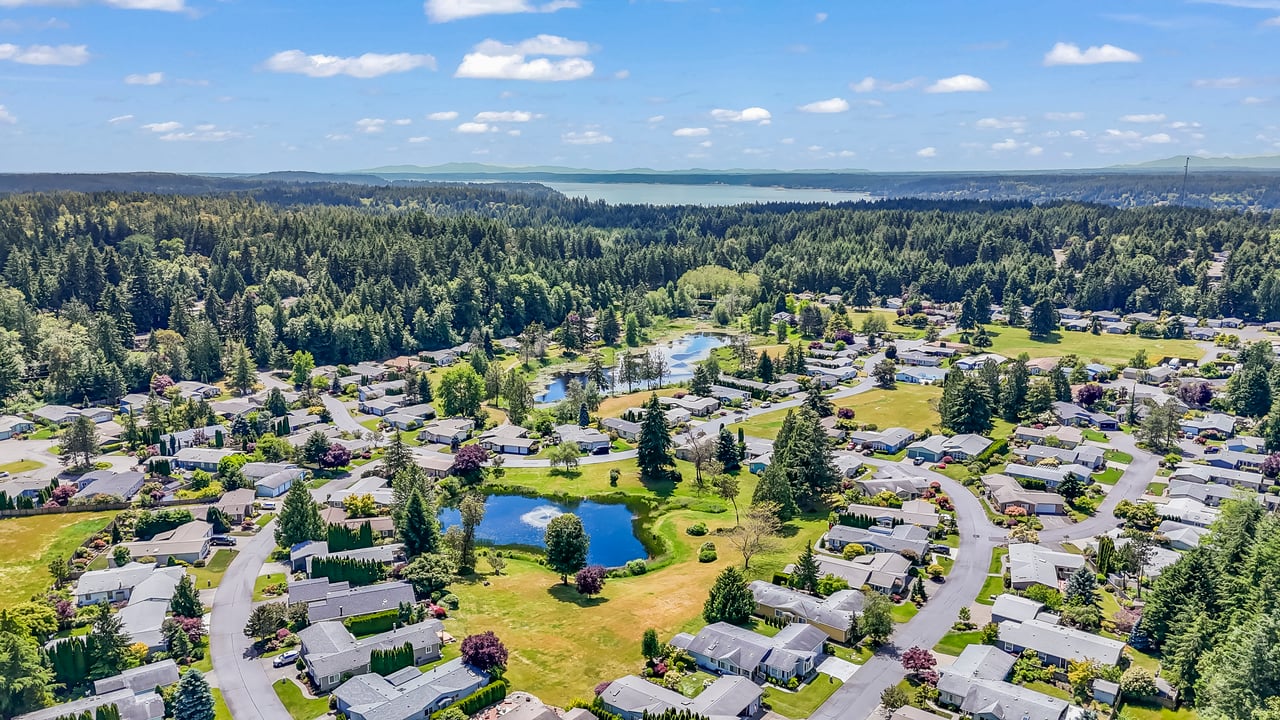
If you are looking for single-level living, lower maintenance, gated security, and a vibrant social lifestyle in Western Washington, The Lakes at Gig Harbor is a premi… Read more

We pride ourselves in providing personalized solutions that bring our clients closer to their dream properties and enhance their long-term wealth. Contact us today to find out how we can be of assistance to you!
Infinity Real Estate
4221 Harborview Dr Gig Harbor, WA 98332