
May 28, 2026
Dreaming about a place where weekends feel slower, the water sets the pace, and your to-do list gets a little shorter? A Hood Canal retreat in Mason County can offer exactly that, but waterfront ownership here comes with more moving parts than many buyers expect. If you are thinking about a second home, a part-time getaway, or a future full-time move, this guide will help you understand the lifestyle, the tradeoffs, and the due diligence that matters most. Let’s dive in.
Hood Canal stands out as a shoreline-focused retreat market in Mason County. It is less about dense resort living and more about cabins, cottages, and small homes that let you stay close to the water and the natural setting.
For many buyers, that is the appeal. You are not just shopping for square footage. You are looking for a place that supports a different rhythm, whether that means quiet mornings by the shoreline, seasonal fishing, or a home base for long weekends away from the city.
If you are searching specifically for Hood Canal, geography matters. Union and Hoodsport are the clearest examples of direct Hood Canal communities in Mason County, while Allyn is better understood as part of the broader south Mason County waterfront market rather than Hood Canal proper.
That distinction can help you narrow your search and set better expectations. If your goal is true Hood Canal frontage and access, you will want to focus on the shoreline areas that are directly tied to the canal rather than assuming every nearby waterfront listing offers the same setting.
This market tends to read as a residential retreat area, not a large-scale vacation district. You are more likely to find small-scale waterfront homes, cabins, cottages, and single-family properties than resort-style development.
That can be a big advantage if you want privacy, simplicity, and a more residential feel. It also means each property may come with very specific site conditions, utility setups, and shoreline limitations that deserve careful review before you make an offer.
One of the most important things to understand is that Hood Canal is not just scenic waterfront. In Mason County, it is treated as a shoreline of statewide significance, and shoreline preservation, ecological function, and public use are central to how development is reviewed.
In practical terms, that means ownership is tied to more regulation than many buyers expect. The view may feel effortless, but changes to the property often are not.
Mason County states that shoreline development must conform with the Shoreline Master Program. Most new docks and beach-access structures require a Shoreline Substantial Development Permit, and some projects may also need a Habitat Management Plan prepared by a qualified professional.
If you are imagining future improvements, bring those questions up at the very start of your search. Dock repair, beach stairs, shoreline clearing, and similar work should be treated as permitting issues from day one, not after closing.
The county’s shoreline framework also addresses setbacks, shoreline stabilization, and geotechnical review where erosion or slope conditions matter. That means two waterfront homes with similar views may offer very different options for use and future work.
This is why a Hood Canal property should be viewed as more than a parcel line on a map. The actual site conditions, and how the county reviews them, can shape what ownership looks like over time.
A Hood Canal retreat can be a great fit if you want a place that feels useful in more than one season. Summer tends to get the spotlight, but the area has year-round appeal depending on how you like to spend your time.
Twanoh State Park is known for warm saltwater swimming and shellfish, while Potlatch State Park offers year-round shoreline access along a rocky estuary setting. Marine Area 12 is also described by the Washington Department of Fish and Wildlife as relatively protected depending on wind direction, with salmon and coastal cutthroat opportunities and multiple public access sites.
For buyers who want easy recreational access, Hoodsport has strong appeal. Hoodsport Pier offers land-based access with parking, ADA access, restrooms, and 24-hour fishing.
That kind of public infrastructure can make a real difference, especially if your ideal retreat includes low-hassle outings and flexible use across seasons. It also helps explain why some areas feel more active during certain parts of the year.
Late summer and fall often bring another layer of energy to the canal. Salmon viewing on western Washington waterways peaks between July and November, and Hoodsport Hatchery is listed by WDFW as a Mason County salmon-viewing location.
If you are picturing a sleepy seasonal market that only wakes up in July, that is not the full story. Activity can carry well into fall, especially around fishing and salmon-related visitation.
Western Washington’s climate is wetter and milder than eastern Washington, and the Olympic Mountains create a rain-shadow effect. Even with that influence, the rainy season typically runs from November through March, and rivers tend to swell during that period.
For part-time owners, that creates a practical checklist. Winterization, drainage awareness, and periodic property checks are all important when the home shifts from recreation mode to maintenance mode.
A retreat can still be a wonderful fit if you are not there full time. You just want to go in with clear expectations about seasonal upkeep and the fact that waterfront ownership often asks for a more hands-on maintenance mindset.
On shoreline parcels, utilities are not a minor detail. They are a core part of due diligence and can affect both your immediate costs and your long-term ownership experience.
Mason County’s guidance on well siting emphasizes careful placement away from contamination sources, and county guidance also notes that road crossings for water and septic lines may require utility permits. That is why you should confirm utility basics early, not after you are emotionally attached to a property.
Ask clear, specific questions about how the property is served:
These are not small technicalities. On a waterfront property, they are part of how you evaluate risk, usability, and ongoing cost.
Septic maintenance is especially important in this setting. Washington Department of Health guidance says gravity septic systems should be inspected at least every three years, while other on-site sewage systems should be inspected at least annually.
That schedule matters because Hood Canal water quality is sensitive. Local water-quality planners note that the watershed includes about 30,000 onsite septic systems, and water entering the canal can remain in place for a long time, making runoff, bacteria, and nutrient inputs more consequential for beaches and shellfish beds.
For you as a buyer, the takeaway is simple. A septic system is not just a line item on a disclosure. It is part of responsible ownership in a shoreline environment.
One of the biggest draws of Hood Canal is shellfish. It is part of the area’s identity and one reason many buyers are drawn to the waterfront lifestyle in the first place.
At the same time, shellfish access is not something you should treat as automatic or constant. The Washington Department of Health says recreational harvesters should check the shellfish safety map for closures and advisories on the day of harvest, and WDFW says to follow current seasons, size limits, harvest limits, and emergency rule updates on public tidelands.
That means shellfishing is best understood as an active, rule-based activity. It is a real lifestyle benefit, but not a permanent right attached to every property every day of the year.
If you are considering offsetting ownership costs with short-term rental income, make sure you treat that as a compliance question first. In Washington, short-term rentals are treated as lodging businesses for tax purposes, and operators must remit applicable local, state, and federal taxes unless the platform does so.
You will also want to verify whether the specific parcel allows that use. Zoning, HOA rules, and any county permitting requirements can vary, so a rental plan should be confirmed before you build your budget around it.
Before assuming a property can function as a short-term rental, confirm:
A retreat can still be a great purchase without rental income. The key is making sure your numbers match reality.
The strongest approach to buying on Hood Canal is to balance emotion with due diligence. You want to pay attention to the things that make a property feel special, but you also want a clear-eyed review of permits, shoreline constraints, utilities, septic needs, and seasonal maintenance.
That is especially true in a market like Mason County, where waterfront value is tied not only to scenery but also to what the site can support over time. A thoughtful buying process can help you avoid surprises and focus on the retreat lifestyle you are actually hoping to create.
If you are exploring a Hood Canal retreat, having a local guide matters. The right support can help you sort through shoreline questions, compare communities like Union and Hoodsport, and understand how a property may fit your goals now and years from now. When you are ready to talk through the possibilities, connect with Infinity Real Estate for a personalized consultation.
Stay up to date on the latest real estate trends.
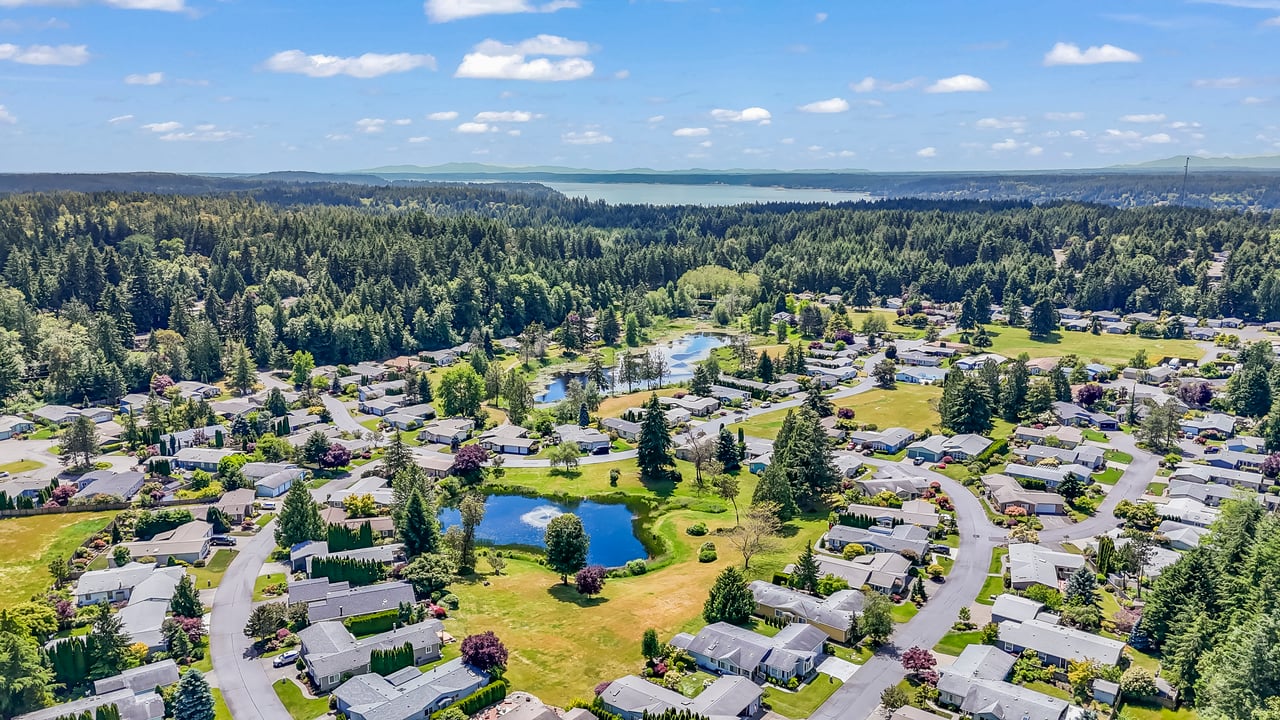
Retirement
If you are looking for single-level living, lower maintenance, gated security, and a vibrant social lifestyle in Western Washington, The Lakes at Gig Harbor is a premi… Read more

We pride ourselves in providing personalized solutions that bring our clients closer to their dream properties and enhance their long-term wealth. Contact us today to find out how we can be of assistance to you!
Infinity Real Estate
4221 Harborview Dr Gig Harbor, WA 98332