
July 2, 2026
Waterfront living in Kitsap County sounds like a dream for a reason. You get shoreline views, easy access to parks and ferries, and a daily rhythm that feels closely tied to the water. But like any lifestyle choice, it comes with practical tradeoffs, and knowing them up front can help you buy or sell with more confidence. Let’s dive in.
Kitsap County is shaped by the water in a very real way. The county has 216 miles of marine shoreline, along with 54 miles of lake frontage and 22 miles of stream channels, so waterfront living is woven into the area rather than limited to a few pockets.
That shoreline presence affects daily life beyond the view from your window. The county also has 19 lakefront and saltwater shoreline access areas and more than 200 miles of trails, which supports an outdoors-oriented lifestyle that many buyers find appealing.
One of the biggest draws of Kitsap County waterfront living is how naturally the landscape becomes part of your routine. Depending on where you live, a walk by the water, time at a shoreline park, or a ferry ride into the city can feel like a normal part of the week rather than a special outing.
At the same time, daily routines often center around a few key service hubs. Bremerton, Silverdale, Poulsbo, and Port Orchard tend to anchor errands and regional connections because they are directly served by countywide bus routes, park-and-rides, and ferry access.
Not all waterfront living in Kitsap County feels the same. Some areas are closely tied to ferry terminals and transit connections, while others offer a quieter shoreline setting with more dependence on driving and trip planning.
That difference matters if you commute often or want flexibility. In many cases, the question is not just whether a home is on the water, but how easily you can connect from that location to ferries, bus service, and everyday essentials.
Kitsap’s transportation network is built around the water. Washington State Ferries serves Seattle/Bainbridge Island, Seattle/Bremerton, Edmonds/Kingston, and Fauntleroy/Southworth, while Kitsap Transit operates passenger-only ferries from Bremerton, Kingston, and Southworth to downtown Seattle.
Kitsap Transit also runs local foot ferries between Bremerton and Port Orchard and between Bremerton and Annapolis. Those local marine connections support real daily use, including commuting across Sinclair Inlet, rather than functioning only as visitor amenities.
The experience depends a lot on which shoreline community you choose.
For some buyers, this makes waterfront living feel surprisingly connected. For others, it means your schedule needs to stay closely aligned with transit service.
In Kitsap County, commute convenience often comes down to timing rather than miles. Ferry routes can make cross-sound travel very workable, but your routine may depend on sailing schedules, transfer windows, and real-time conditions.
Washington State Ferries has an on-time goal of at least 95 percent of sailings departing within 10 minutes of schedule. At the same time, the state is updating the Seattle/Bainbridge and Seattle/Bremerton schedules because older assumptions have led to frequent delays, and Seattle/Bainbridge had 36 schedule resets in July 2025 alone.
That does not mean ferry commuting is unworkable. It means waterfront buyers should think honestly about how much schedule flexibility they need and how comfortable they are planning around service patterns.
Convenience also comes with fare and schedule considerations. As of June 28, 2026, Washington State Ferries lists an adult one-way fare of $11.35 on the Bremerton/Seattle and Bainbridge/Seattle commuter routes, with a 10-ride commuter card at $92.80 and a 31-ride monthly pass at $148.50.
Kitsap Transit’s fast ferry fares differ by direction. The eastbound trip from Kitsap to Seattle is $2, while the westbound trip from Seattle to Kitsap is $13, and the fast-ferry system runs Monday through Friday year-round plus Saturdays from May through September, with no Sunday service.
Bremerton’s passenger-only crossing takes about 30 minutes, and Kingston’s takes about 40 minutes. If you expect to use fast ferries often, it is smart to compare not just travel time but also return-trip costs and service days.
Many waterfront households in Kitsap County can live car-light, especially near ferry terminals and established bus connections. Washington State Ferries notes that, in almost all cases, there is room for walk-on passengers and bicyclists, and Kitsap Transit maintains more than 2,500 park-and-ride spaces across the county.
Still, low-car living is more realistic in some locations than others. Road approaches to ferry terminals can back up, especially during holidays, so even homes with strong transit access may still require extra planning for vehicle trips.
For many owners, the lifestyle value of living near the water goes far beyond the home itself. Kitsap County’s park system includes boat launches, swim beaches, fishing piers, docks, picnic areas, trails, and shoreline access points that make water-oriented recreation part of everyday life.
Examples in the county park system include Silverdale Waterfront Park, Salsbury Point County Park, Harper Park, Point No Point Lighthouse & Park, and Olalla Beach. These places help explain why waterfront and near-water homes continue to attract buyers who want both scenery and access.
Living near the water does not always mean every activity is available every day. Kitsap Public Health monitors streams, swimming beaches, and shellfish beds and posts advisories when conditions make contact or harvesting unsafe.
That can include concerns tied to fecal pollution, sewage spills, or marine biotoxins. If shellfish harvesting is part of your ideal waterfront lifestyle, checking current public-health guidance is an important part of staying informed.
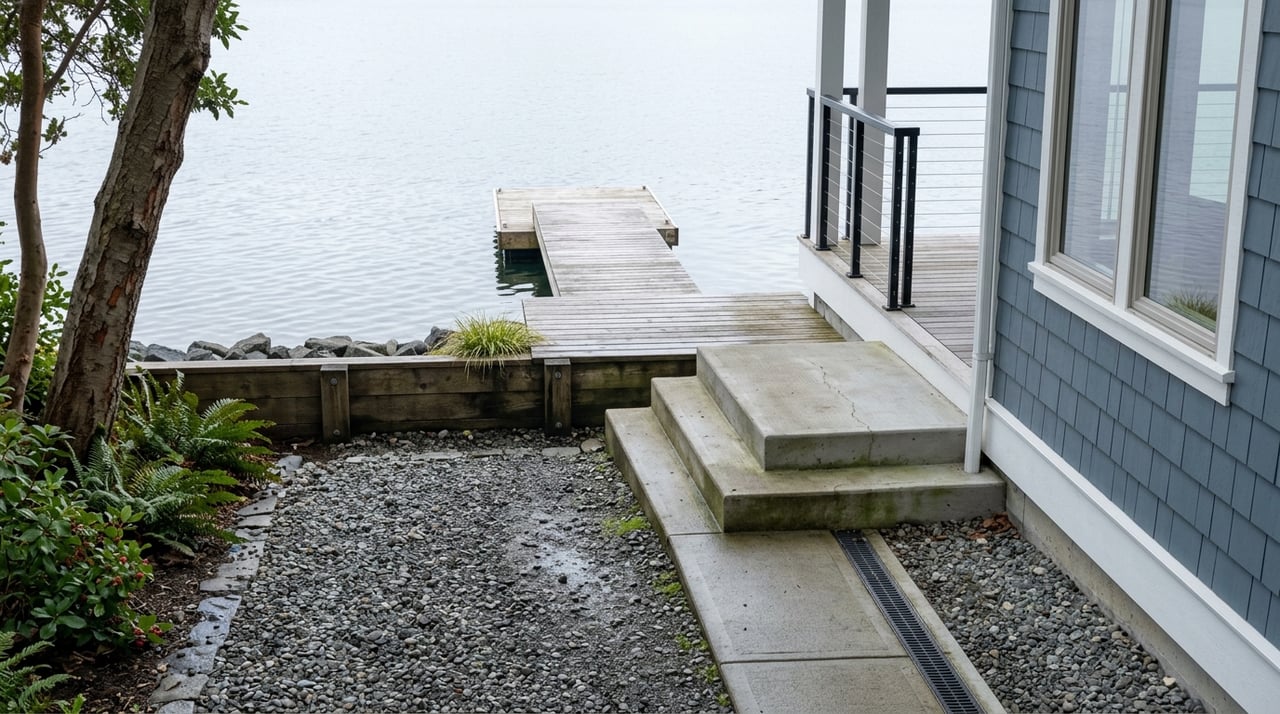
One of the clearest tradeoffs of Kitsap County waterfront ownership is regulation. The county’s Shoreline Master Program applies to marine waters, larger lakes and streams, associated wetlands, and land within 200 feet of the ordinary high-water mark.
In practice, that means many shoreline projects require a shoreline permit or a formal review to determine whether an exemption applies. Even exempt projects may still need other shoreline or development permits, and the county says exemptions are interpreted strictly.
If you are thinking about improving a waterfront property, it is important to understand that work near the shoreline can be more involved than it would be at an inland home.
Projects that may trigger additional review include:
The county also says all wetlands and most shorelines are regulated, and some critical-area work may require wetland or habitat reports. In some cases, mitigation monitoring may also be required when shoreline buffers are affected.
Long-term waterfront ownership also means paying attention to shoreline change. Kitsap County says its more than 200 miles of marine shoreline are already experiencing hazards related to sea level rise, including coastal erosion, flooding, and inundation.
The county is developing a vulnerability and risk assessment to guide future planning and adaptation. For buyers, that makes due diligence especially important. For sellers, it reinforces the value of clear property documentation and thoughtful pricing and presentation.
The best way to think about Kitsap County waterfront living is as a lifestyle with real rewards and real logistics. You may gain daily access to views, recreation, and ferry-linked mobility, but you may also need to plan around sailing schedules, seasonal service patterns, public-health advisories, and shoreline rules.
That balance is exactly why local guidance matters. A waterfront home can be an exceptional fit when the property, the location, and your day-to-day routine all line up.
If you are buying or selling a waterfront home in Kitsap County, working with a local team that understands shoreline properties, commute patterns, and buyer expectations can make the process much smoother. Infinity Real Estate offers concierge-level guidance rooted in local market knowledge, so you can move forward with clarity and confidence.
Stay up to date on the latest real estate trends.
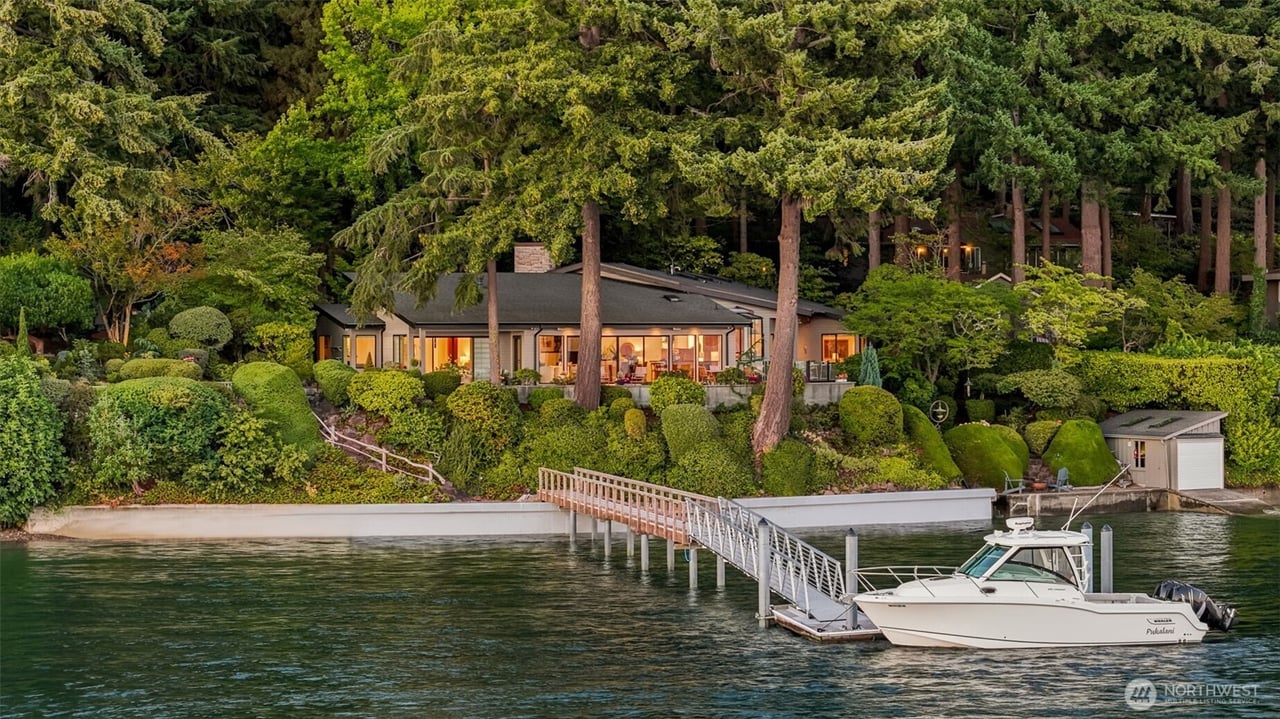
gig harbor
Discover 7602 Fairwind Lane NW in Gig Harbor, WA. Explore 210 FT of low-bank Hale Passage waterfront, a deep-water dock, Asian-contemporary design, and panoramic Mt. R… Read more

We pride ourselves in providing personalized solutions that bring our clients closer to their dream properties and enhance their long-term wealth. Contact us today to find out how we can be of assistance to you!
Infinity Real Estate
4221 Harborview Dr Gig Harbor, WA 98332