
July 9, 2026
Trying to choose between Kitsap County and a Seattle neighborhood for your next home? That decision often comes down to one big tradeoff: more space and lower ownership costs versus denser, transit-rich urban living. If you are relocating to the region, this guide will help you compare how each area feels day to day, what your budget may buy, and which Kitsap communities line up best with the lifestyle many buyers picture in Seattle. Let’s dive in.
The clearest difference is density. Seattle has about 8,791.8 people per square mile, while Kitsap County has about 697.6. On the ground, that usually means Seattle feels busier, more built up, and more connected to frequent transit, while Kitsap feels more open and spread out.
Housing patterns reinforce that contrast. Seattle’s housing stock is 59% multi-unit and 58% renter-occupied, while Kitsap County is 75% single-unit and 69% owner-occupied. If you picture condos, apartments, and dense mixed-use areas, Seattle fits that image more often. If you picture detached homes and ownership-oriented neighborhoods, Kitsap is usually the closer match.
Household patterns also point to a different pace of life. Average household size is 2.49 in Kitsap versus 2.00 in Seattle, and a higher share of Kitsap residents lived in the same home a year ago. That suggests Kitsap often feels a bit more settled, while Seattle tends to be more mobile.
For many buyers, the biggest question is simple: where do you get more home for the money? Based on current Census data, Kitsap County has the stronger value story for ownership. The median owner-occupied home value is $555,100 in Kitsap County compared with $938,600 in Seattle.
That is a gap of $383,500, which is much larger than the income gap between the two places. Median household income is $104,158 in Kitsap and $123,860 in Seattle. In other words, Seattle households earn more on average, but home values rise much faster than incomes.
The rental comparison is different. Median gross rent is $1,822 in Kitsap and $2,030 in Seattle, so the monthly rent gap is much smaller than the ownership gap. For relocating buyers who plan to purchase, that makes Kitsap especially worth a close look if budget, square footage, or lot size matters to you.
Seattle’s neighborhood pattern is shaped by major transit activity and infrastructure. City planning materials describe transit-oriented neighborhoods as connected, mixed-use places with varied housing, active business districts, walkable streets, and lively public spaces near light rail and frequent transit.
South Lake Union is a strong example of that setup. The streetcar connects the neighborhood to downtown and links to shops, restaurants, Lake Union’s waterfront park, Link light rail, the Monorail, and Metro Transit. If you want an urban environment where daily errands, dining, and commuting can happen in a compact area, Seattle offers more of those options.
Other parts of the city follow a similar pattern. West Seattle Junction is being planned as a walkable, connected transit-oriented neighborhood, while Capitol Hill and First Hill combine dense housing with Link access, streetcar service, business districts, medical centers, colleges, and event venues. For buyers who want broad transit access and the easiest car-light lifestyle, Seattle is the simpler fit.
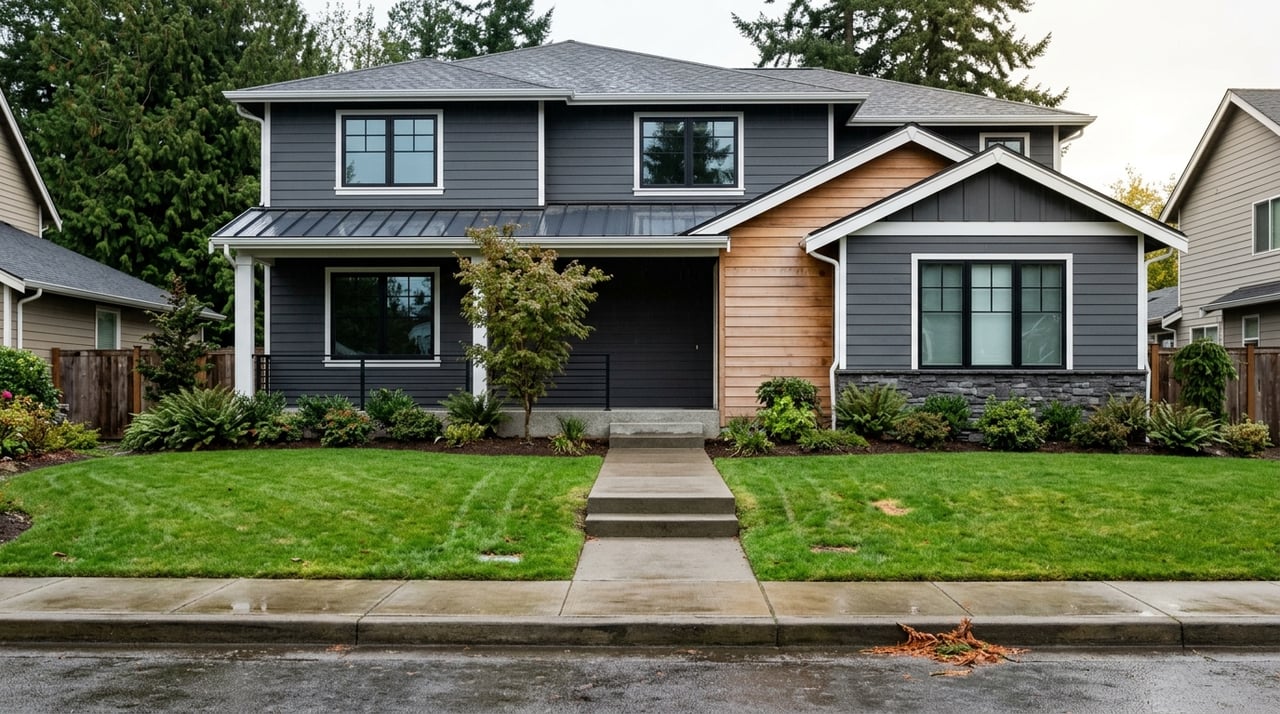
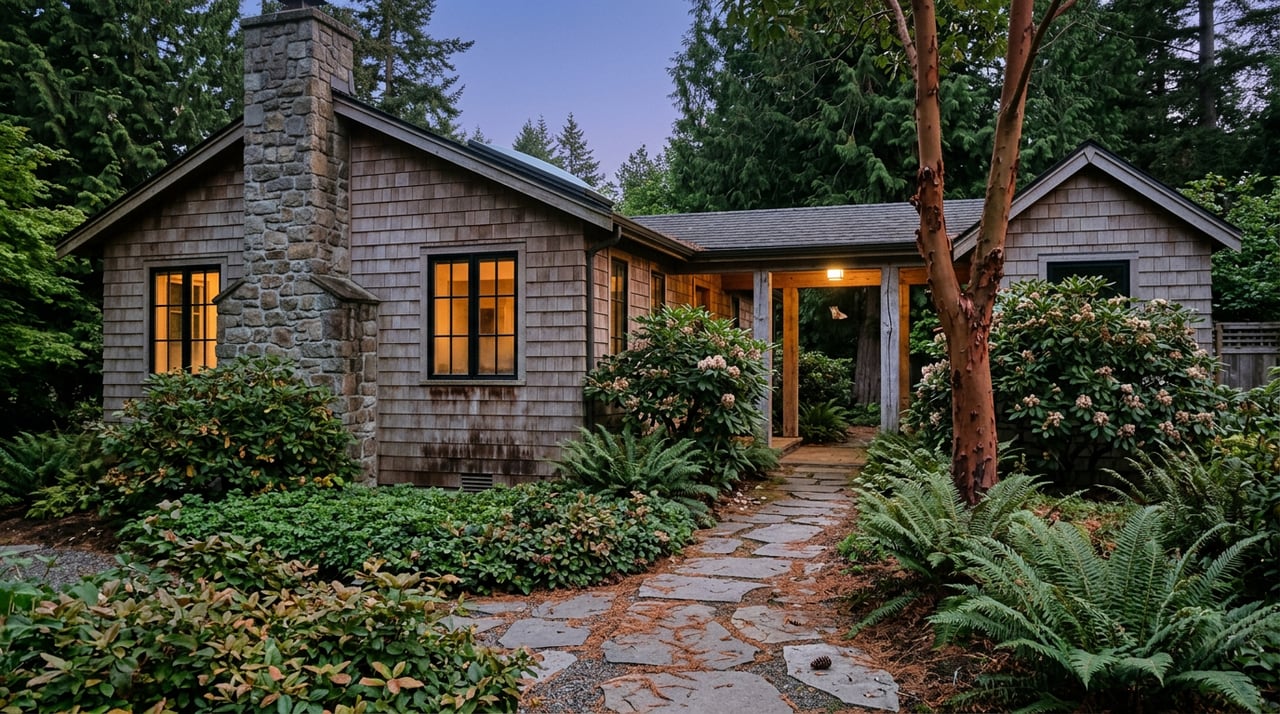
Kitsap County offers a different type of living. The county’s lower density, higher owner-occupancy rate, and stronger share of single-unit homes make it a better match for buyers who want more room and a more residential feel.
That does not mean every part of Kitsap is fully car-dependent or disconnected. The main difference is that walkability and mixed-use living are concentrated in specific hubs rather than spread widely across the county. In Kitsap, your exact community choice matters more if you want shops, waterfront access, and transit close by.
For many relocating buyers, that is the sweet spot. You may be able to trade Seattle’s broader transit network for more home, more breathing room, and a lifestyle that still includes a walkable downtown or ferry connection.
If you want the closest Kitsap comparison to a Seattle neighborhood core, Bremerton is the strongest fit. The city describes downtown Bremerton as a vibrant mixed-use urban destination with dense housing, jobs, entertainment, active transportation, and transit choices. It also includes an arts district, marina, museums, boardwalk, and parks near the ferry terminal.
For relocating buyers, that matters because Bremerton combines an urban feel with direct connections to Seattle. The downtown ferry terminal is a major lifestyle anchor, especially if you want to live near a walkable core and keep Seattle access in the mix. Among Kitsap options, Bremerton is often the most natural choice for buyers who do not want to give up city energy entirely.
Bainbridge Island sits somewhere between urban convenience and small-town living. The city notes that Seattle is about 35 minutes away by ferry, and Waterfront Park borders downtown restaurants, businesses, and retail within walking distance.
Beyond downtown, Bainbridge is also known for farms, wineries, hiking trails, scenic vistas, and local arts. For buyers who want polished ferry access along with a more relaxed setting, Bainbridge can offer a strong middle ground. It tends to appeal to people who want a connected lifestyle without living in a dense city environment.
Poulsbo offers a different kind of appeal. The city’s comprehensive plan describes downtown as a recreation, shopping, dining, and boating destination with a pedestrian-friendly scale, a waterfront park, boardwalk, public plazas, and mixed-use residential and commercial frontage.
If you are drawn to charm, waterfront activity, and a smaller downtown experience, Poulsbo stands out. It is a good fit for buyers who want walkability in a more compact, lower-key setting than Seattle. The tradeoff is that it is not trying to replicate a major urban center, which is exactly why some buyers prefer it.
Silverdale is a better fit if your priority is day-to-day convenience in a suburban setting. Official visitor information highlights Silverdale Waterfront Park, Old Town shops and cafes, trails, and Kitsap Mall as part of the area’s amenity base.
Compared with Bremerton, Bainbridge, or Poulsbo, Silverdale is less about ferry-centered living and more about services, shopping, and practical everyday access. If your move is focused on space and convenience rather than a downtown or ferry lifestyle, Silverdale belongs on your shortlist.
For many relocating buyers, the biggest concern is whether a Seattle commute from Kitsap is realistic. The short answer is yes, but it is not identical from every route or every community. Ferry commuting can work well, though timing depends on your departure point, terminal time, sailing time, and schedule variability.
Kitsap Transit fast ferries provide passenger-only direct service from Bremerton, Kingston, and Southworth to downtown Seattle, with crossing times of about 30, 40, and 26 minutes. Washington State Ferries also serves the Seattle to Bremerton and Seattle to Bainbridge Island routes.
Washington State route information places the Seattle to Bainbridge crossing at about 35 minutes and the Seattle to Bremerton crossing at about 60 minutes. At the same time, sailing schedules can change, and vehicle riders may need to arrive early on some routes. So the most accurate way to think about ferry commuting is this: it is a viable option, but not a guaranteed short or simple commute in every case.
If your top priority is more house for the money, Kitsap County has the stronger ownership value based on current housing figures. It is generally the better fit if you want detached homes, more space, and communities that feel more residential than urban.
If your top priority is urban density, broader transit, and easier car-light living, Seattle neighborhoods have the edge. The city offers more multi-unit housing, more transit-rich districts, and more mixed-use environments woven into daily life.
If you want something in between, Kitsap’s ferry-connected communities can be especially compelling. Bremerton is the best match for a more urban, mixed-use core. Bainbridge offers a village-style downtown with strong ferry access. Poulsbo delivers a smaller waterfront downtown, while Silverdale leans suburban and service-oriented.
A relocation move is not just about price. It is about how you want your days to work, how much space you want, and how often you expect to rely on transit, ferries, downtown amenities, or a more residential setting. The right answer depends on what you want your next chapter to feel like.
If you are weighing Kitsap County against Seattle neighborhoods, working with a local team can make the decision much clearer. Infinity Real Estate offers boutique, high-touch guidance for relocating buyers who want practical local insight, clear comparisons, and concierge-level support as they narrow down the right fit.
Stay up to date on the latest real estate trends.
Retirement
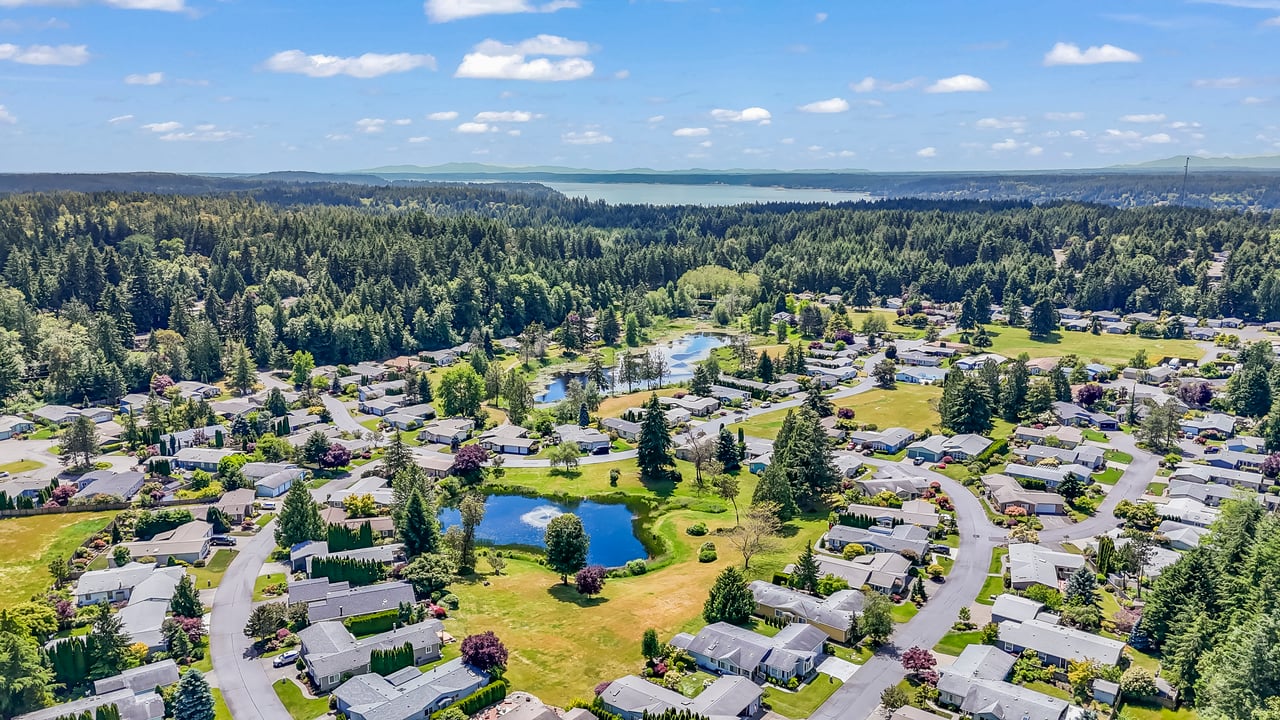
If you are looking for single-level living, lower maintenance, gated security, and a vibrant social lifestyle in Western Washington, The Lakes at Gig Harbor is a premi… Read more

We pride ourselves in providing personalized solutions that bring our clients closer to their dream properties and enhance their long-term wealth. Contact us today to find out how we can be of assistance to you!
Infinity Real Estate
4221 Harborview Dr Gig Harbor, WA 98332