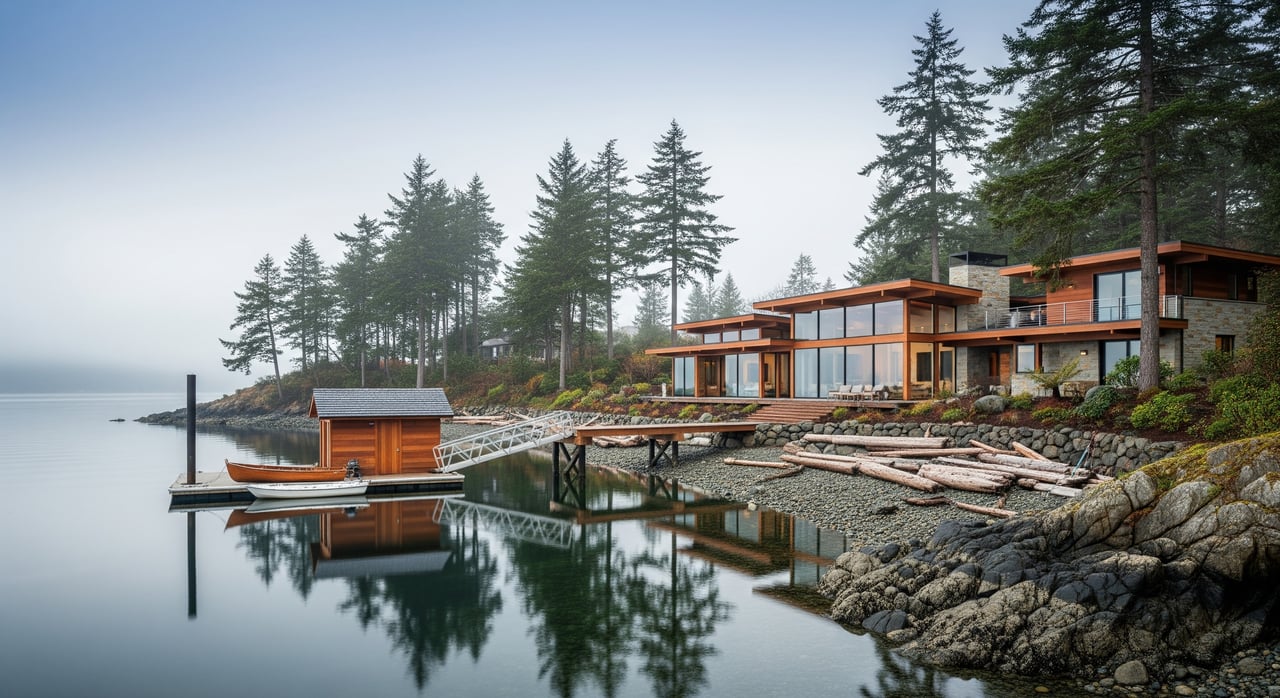
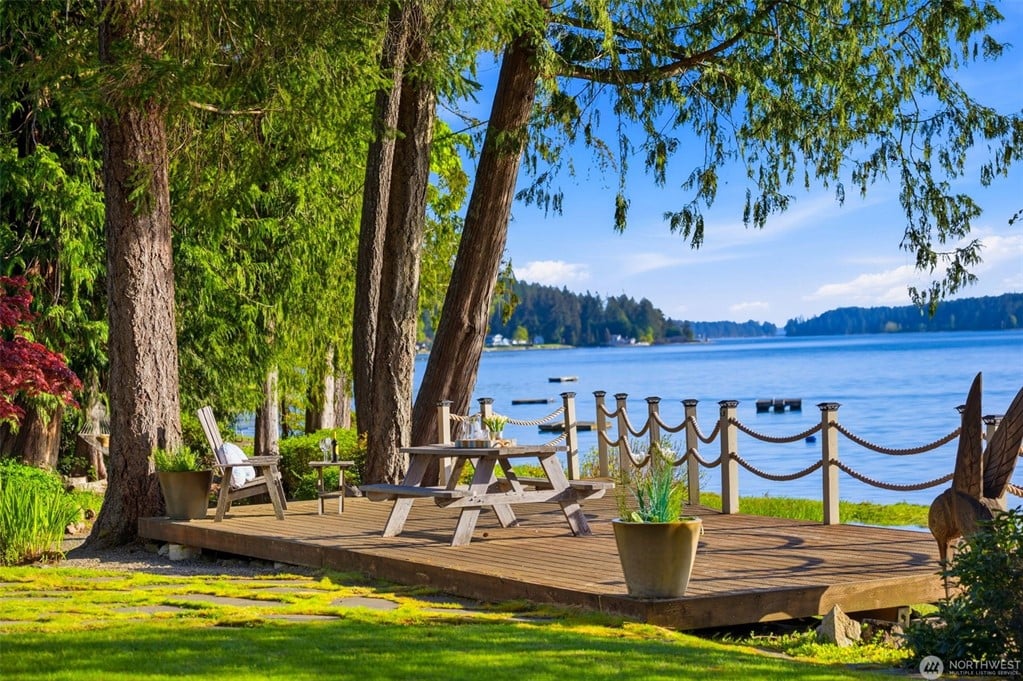
You can fall in love with a Fox Island view in seconds, but the smartest purchase happens before you make an offer. Waterfront here is unique, and details like tideland ownership, dock permits, and water depth can impact how you use and enjoy the property. If you want a home that truly fits your boating and lifestyle goals, due diligence is your best friend.
This guide walks you through the key checks for Fox Island waterfront, from title and moorage to septic, flood zones, and permits. You will learn what to ask for, which experts to bring in, and how to avoid costly surprises. Let’s dive in.
Ownership and shoreline control
Know what you own: tidelands and aquatic lands
On Fox Island, the land between the tides can be privately owned, managed by the state, or subject to leases. Do not assume the beach or seabed in front of the home comes with the sale. Ownership affects moorage rights, dock locations, and whether you owe fees or need authorizations.
What to do:
- Order a complete title report and review the chain of title for any tideland conveyances or reservations.
- Request historic deeds or patents that mention boundaries relative to high and low water.
- Get a current boundary survey or ALTA/NSPS survey that shows mean high water and mean lower low water, plus any encroachments.
- Check state aquatic lands records for ownership, leases, easements, or claims.
Easements and public access
Some waterfront parcels include recorded easements for utilities or beach access. Others do not include ownership below the ordinary high water line. Confirm any public rights-of-way, paths, or utility easements recorded against the property and shown in county records.
Shoreline rules that govern your use
Waterfront work and uses are governed by Washington’s Shoreline Management Act and the Pierce County Shoreline Master Program. Depending on the activity, agencies with a role can include the Washington Department of Natural Resources for aquatic lands, the Washington Department of Fish and Wildlife for hydraulic approvals, the Washington Department of Ecology for shoreline policies, and the U.S. Army Corps of Engineers for federal waters permits. If you want to add or modify shoreline structures, plan for contact with multiple agencies.
Docks, moorage, and water depth
Verify dock permits and history
A dock that looks perfect can still be a liability if it is unpermitted or out of compliance. Most in-water work requires a Hydraulic Project Approval from the Washington Department of Fish and Wildlife, county shoreline permits, and in many cases federal permits and state aquatic leases.
Ask for:
- Complete permit history for docks, piles, lifts, and bulkheads, including copies of past HPAs, county permits, and any DNR leases.
- As-built drawings with location, dimensions, materials, and pile sizes.
- Maintenance records, plus any variances or enforcement actions.
Practical takeaway: Confirm whether the existing dock is permitted, transferable, and located on private versus state-owned tidelands. Replacement or expansion is often more restricted today than when older docks were built.
Confirm water depth at low tide
Depth at the dock should be measured relative to mean lower low water, not just at an average tide. Local buyers often reference the Tacoma tide station for planning.
Best practice:
- Order a site-specific sounding or bathymetric survey tied to MLLW in the moorage area.
- Confirm the lowest tide draft needed for your vessel and safe access in typical weather.
- Check for rocks, submerged hazards, or strong currents that could affect navigation.
Seasonal considerations matter. Extreme low tides, shoaling, or storm patterns can limit access. Dredging is difficult to permit and can be expensive.
Bulkheads and shoreline stabilization
Bulkheads and seawalls are common and highly regulated. Their condition and construction can affect both value and future permit options.
What to check:
- Age, materials, and condition, including rot, scour, and undermining.
- Presence of creosote-treated wood or potential sediment concerns near older structures.
- Records of past permits and whether work complied with conditions.
Modern shoreline policies often favor soft-shore solutions. New or replacement hard armoring typically requires permits and mitigation, and emergency repairs are limited to specific circumstances.
Utilities, hazards, and insurance
Water, sewer, and septic
Confirm whether the property is on public sewer or uses an on-site septic system. Pierce County’s environmental and health departments maintain records you can request.
If septic is present:
- Request septic permits and maintenance records.
- Order a certified inspection that includes tanks, distribution, and drainfields.
- Verify any requirements for septic inspections related to your transaction.
If public sewer is available or planned, check connection costs, timing, and district boundaries before you plan upgrades or additions.
Power and dock utilities
If the dock has power, confirm it was installed under proper permits and is safe for a marine environment. Identify the local electric provider, any underwater lines, and recorded easements for utilities. Freshwater to a dock is uncommon and can require additional review, so plan for hose access if needed.
Flood, surge, and sea-level considerations
Review FEMA Flood Insurance Rate Maps for the property’s current flood zone and elevation requirements. Consider local sea-level rise and erosion projections when evaluating long-term resilience. While tsunami risk is generally lower in protected inlets, it is still wise to understand local inundation and evacuation information.
Habitat and environmental constraints
Eelgrass and forage fish habitat may limit dock size, orientation, and shading, and often dictate seasonal in-water work windows. If there are wetlands or stream mouths nearby, plan for additional county critical area reviews.
Insurance and lending impacts
Lenders may require flood insurance for high-risk zones. Some insurers will ask for documented permitted construction and maintenance records for docks and seawalls, and may exclude damage tied to unpermitted or nonconforming structures. Collect documentation early to keep financing on track.
Your due diligence workflow
Documents to request up front
- Current title report that includes all recorded easements and reservations
- Full disclosures related to shoreline, dock, and bulkhead work
- Copies of all permits for docks, bulkheads, stairways, fills, and shoreline projects
- As-built drawings and any ALTA/NSPS or site surveys showing tidal boundaries
- Recent low-tide photos, maintenance logs, and contractor reports
Inspections and surveys to order
- ALTA/NSPS survey that maps mean high and mean lower low water and any encroachments
- Marine bathymetric sounding tied to MLLW for moorage suitability
- Structural evaluation of the dock and bulkhead by a marine structural engineer or experienced marine contractor
- Septic inspection and dye test if applicable, plus verification of sewer availability
- Geotechnical review for erosion or slope stability concerns
- Environmental check if there is evidence of creosote or prior industrial activity nearby
Confirm permitting status and feasibility
- Collect copies of WDFW HPAs, any DNR leases or easements, USACE permits, and Pierce County shoreline and building permits
- Verify whether permits are current, expired, or issued to prior owners, and whether they are transferable
- If permits are missing, ask county and state reviewers about likely remedies and feasibility for retroactive permitting, modifications, or removal
Timeline and cost expectations
- Permits for straightforward maintenance often take weeks to a few months
- More complex actions, DNR leases, or federal permits can take several months to a year
- Inspections and surveys typically run into the thousands, depending on scope
- Major dock or bulkhead work can be significant, so obtain multiple estimates before removing contingencies
Build your expert team
- Real estate attorney experienced in shoreline and aquatic issues
- Licensed surveyor with tidal and ALTA/NSPS expertise
- Marine structural engineer or marine contractor for dock and bulkhead assessments
- Certified septic inspector and, if needed, public health coordination
- Land-use planner familiar with the Pierce County Shoreline Master Program and state permitting paths
- Title company and a local broker with Fox Island waterfront experience
Quick buyer checklist
- Order title report and an ALTA/NSPS survey that shows ordinary high water and MLLW.
- Request complete permit history for docks, bulkheads, and any shoreline work.
- Obtain a bathymetric sounding tied to MLLW for your moorage area.
- Commission a marine structural inspection for dock and bulkhead.
- Verify septic status or sewer availability and complete required inspections.
- Check FEMA flood zone, local tide data, and consider sea-level rise.
- Confirm eelgrass or forage fish habitat constraints and seasonal work windows.
- Consult Pierce County shoreline planners and WDFW about feasibility for repairs or replacements.
- Engage a shoreline-savvy attorney, surveyor, and marine engineer before you commit.
- Align your financing with any insurance, flood, or documentation requirements.
Buying waterfront on Fox Island should feel exciting and secure. With the right plan and local expertise, you can protect your use of the shoreline, your moorage, and your long-term value. If you would like a curated, step-by-step approach tailored to your goals and property, connect with our local team at Infinity Real Estate to schedule a free consultation.
FAQs
How do I confirm tideland ownership for a Fox Island home?
- Review the chain of title and deeds for tideland conveyances, order an ALTA/NSPS survey showing tidal lines, and check state aquatic lands records for ownership or leases.
Are existing docks on Fox Island usually transferable to a new owner?
- Often they can be, but only if permits are in order and any necessary state aquatic leases or easements are transferable. Verify documents and locations before you rely on the dock.
What is the right way to verify water depth at my dock?
- Order a site-specific sounding tied to mean lower low water and use the local Tacoma tide reference for planning. Do not rely on anecdotal depth reports.
Can I replace or enlarge a bulkhead or dock after closing?
- It depends on current shoreline rules and habitat constraints. Many policies favor soft-shore solutions and require mitigation. Confirm feasibility with county and state reviewers early.
What inspections are most critical for Fox Island waterfront?
- Prioritize an ALTA/NSPS survey, bathymetric sounding, marine structural inspection for dock and bulkhead, septic inspection, and a permitting history review with county and state agencies.