

October 1, 2026
A Kitsap County home on a septic system cannot change hands without a licensed inspector walking the property first. That part of the process is well known to anyone who has sold in this county before. What's less understood is how often that inspection turns up something the seller didn't know was wrong. Kitsap Public Health District's own 2025 numbers put it at more than one in four.
That gap between "get the inspection done" and "find out what it actually finds" is where a lot of Kitsap sellers lose time they didn't plan for. If you're getting ready to list a septic-served property here this fall, or you're under contract to buy one, the rule itself matters less than what happens when the inspector's report comes back with a problem on it.
Every home in Kitsap County served by an on-site septic system needs a Property Conveyance Inspection, or PCI, before the title can transfer. This isn't a lender requirement or something a buyer's agent asks for out of caution. It's written into Kitsap Public Health Board Ordinance 2025-01, which took effect March 17, 2025 and replaced the county's older 2008A-01 code. Section 13.D spells out the requirement directly: before the final sale of a property with a septic system, the district requires a conveyance inspection to identify any significant problems before they become the new owner's surprise.
The inspection has to be performed by someone licensed to do it, and the district reviews the resulting records before the sale can close cleanly. For sellers used to a straightforward closing timeline, this is the first place a Kitsap sale can start to look different from a sale in a county without the same rule on the books.
Here's the figure that matters more than any median price you'll see on a listing site. In 2025, Kitsap Public Health District completed 1,743 property conveyance inspections for septic systems. Of those, 450, or 26 percent, had significant deficiencies identified.
That's not a rounding error. It means roughly one in every four sellers who scheduled this inspection learned about a problem with their system only after they were already trying to close a sale. A deficiency doesn't automatically mean a failed system or a torn-up yard. It can be something as narrow as a component that's no longer accessible for maintenance, a drainfield encroachment, or a system operating past its documented capacity. But whatever the specific issue, figuring out next steps takes time the seller usually assumed they had already banked.
If you're selling a septic-served home in Kitsap this year, the working assumption should not be "the inspection is a formality." The county's own data says otherwise for roughly a quarter of sellers.
There's a second piece of this that catches people off guard even when the system itself checks out fine. The inspection depends on having a record drawing, also called an as-built, on file for the property. This is the diagram showing where every component of the septic system actually sits.
Plenty of older Kitsap properties don't have one in county records, especially homes that changed hands informally or were built before digital recordkeeping was standard. When that drawing doesn't exist, the licensed inspector has to create one as part of the inspection, which means locating every component in the field and documenting it to the county's standard. That's additional time on top of the inspection itself, and it's the kind of delay that shows up in escrow the week everyone expected to be closing.
If you know your property predates the 1990s or you've never seen a septic diagram in your file, it's worth checking with Kitsap Public Health before you list, not after an offer is already on the table.
Septic isn't the only piece of infrastructure the county checks at time of sale. If the property is served by a private well or a Group B water system, meaning it shares a well with somewhere between three and fourteen other connections, Kitsap Public Health District has required a Water Status Report since March 4, 2019. That report has to be submitted at least 30 days before closing so any issues can surface while there's still time to address them.
Group A public water systems are exempt from this requirement, which means the paperwork burden falls almost entirely on the rural and waterfront properties that make up a meaningful share of Kitsap's inventory outside the urban corridors around Bremerton, Poulsbo, and Silverdale.
Here's how the requirements break down by water source:
| Water Source | What's Required Before Closing | Typical Lead Time |
|---|---|---|
| Private well (serves 1-2 homes) | Water Status Report from Kitsap Public Health | Submit at least 30 days before closing |
| Group B system (3-14 connections) | Water Status Report from Kitsap Public Health | Submit at least 30 days before closing |
| Group A public water system | Exempt from Water Status Report | Not applicable |
| Any home with on-site septic | Property Conveyance Inspection before transfer of title | Schedule as early as possible; longer if a record drawing must be created |
A property on a private well and a septic system, which describes a lot of the acreage and waterfront homes on the peninsula, is carrying both requirements at once. That's two separate clocks running before you can close, not one.
None of this is Kitsap acting alone. Washington state adopted WAC 246-272A-0270, which requires every county to have a time-of-sale septic inspection program in place by February 1, 2027. Kitsap has been operating under its version since March 2025, nearly two years ahead of that statewide deadline.
Snohomish County adopted its version of this rule, Ordinance BOH26-02, on April 14, 2026, and it takes effect November 1, 2026. The county is conducting outreach to realtors, septic contractors, and homeowners about the rule.
The practical takeaway is that this isn't a new or temporary hurdle specific to Kitsap. It's the direction every county in the state is heading, and Kitsap's head start means the process here is more established, with a track record you can actually point to. That 26 percent deficiency rate is a reason to plan for the possibility of a deficiency.
The single most useful thing a seller can do is schedule the Property Conveyance Inspection before listing, not after accepting an offer. That gives you the option to address a deficiency on your own timeline instead of the buyer's. It also means you'll know before you set a price whether you're marketing a home with a clean system or one that needs a conversation with your agent about repair costs and disclosure.
If you're on a private well or Group B system, get the Water Status Report application in early too. Thirty days sounds like plenty of lead time until you're the seller trying to coordinate it around an accepted offer and a buyer's own inspection contingency.
Buyers should read this the same way. A septic-served property in Kitsap that's already been through its PCI with no deficiencies noted is a meaningfully different purchase than one where the inspection hasn't happened yet. Asking where a seller stands on both the PCI and the Water Status Report, if applicable, is a fair and specific question to raise early in a showing conversation.
Does this rule apply to homes connected to public sewer? No. The Property Conveyance Inspection requirement applies specifically to homes served by an on-site septic system. Homes on public sewer don't need it.
What happens if the inspection finds a deficiency? The specific problem determines the next step. Repair timelines vary depending on the issue and the contractor's availability, which is why starting the inspection early matters.
How far in advance should I schedule the inspection? Given that a record drawing has to be created from scratch if one doesn't already exist, and that 26 percent of 2025 inspections turned up a deficiency, the safest approach is to schedule the PCI before you list, not once you're already under a purchase and sale agreement.
Selling or buying a septic-served property in Kitsap County comes with a few more moving parts than a typical transaction, and getting ahead of them is the difference between a smooth closing and a scramble in the final weeks. If you're weighing a sale on the peninsula or want a clear read on what your property's infrastructure history looks like before you list, Infinity Real Estate can walk through it with you and help you schedule what needs scheduling before it becomes a deadline.
This article is general information, not legal, tax or financial advice. Consult a qualified professional about your situation.
Stay up to date on the latest real estate trends.

Retirement
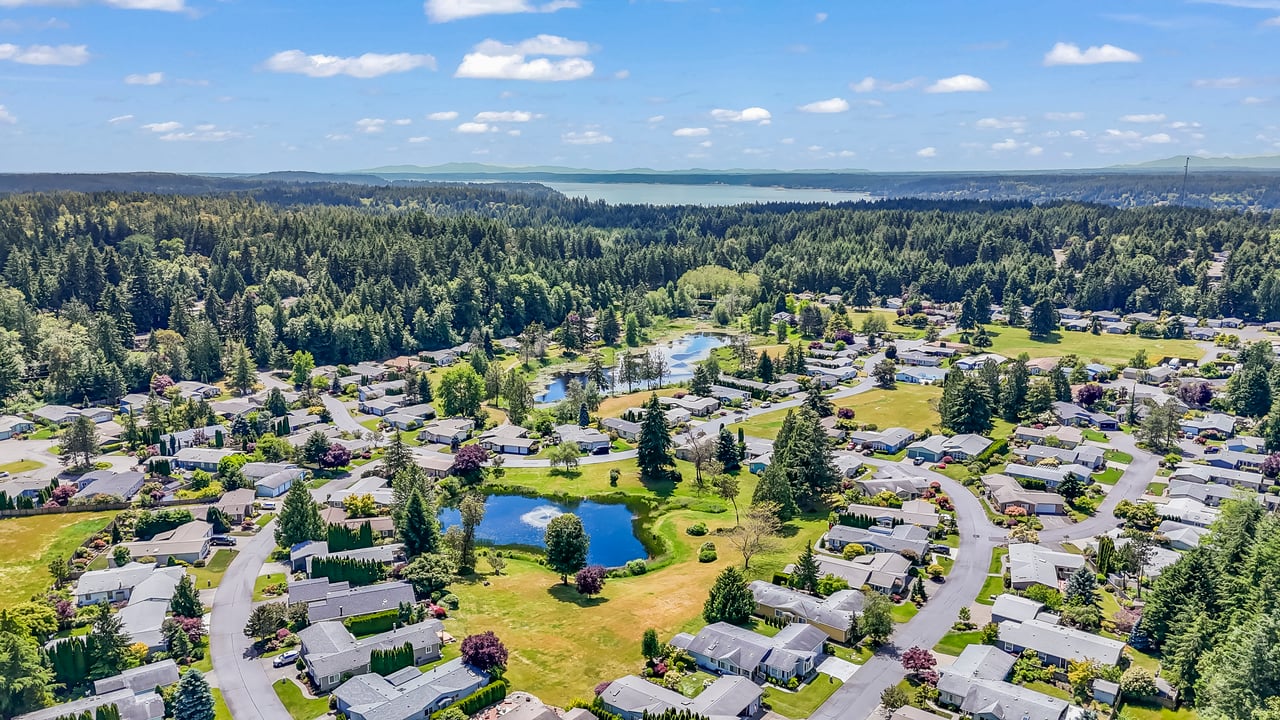
If you are looking for single-level living, lower maintenance, gated security, and a vibrant social lifestyle in Western Washington, The Lakes at Gig Harbor is a premi… Read more


We pride ourselves in providing personalized solutions that bring our clients closer to their dream properties and enhance their long-term wealth. Contact us today to find out how we can be of assistance to you!

Infinity Real Estate
4221 Harborview Dr Gig Harbor, WA 98332